


1. Class: Birds (Aves)
- Order Struthioniformes: Common Ostrich.
- Order Casuariiformes: Cassowaries (e.g., Southern Cassowary).
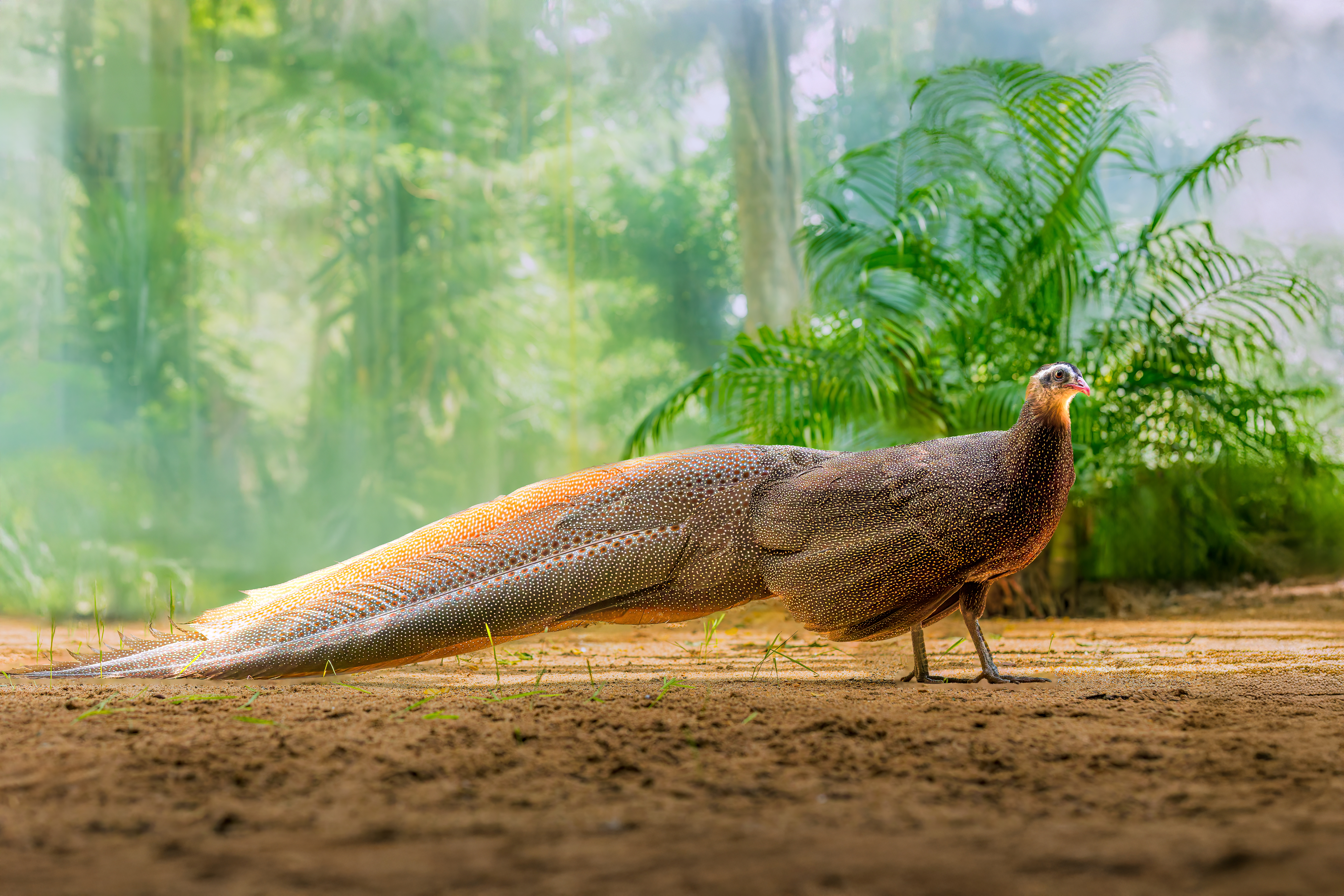
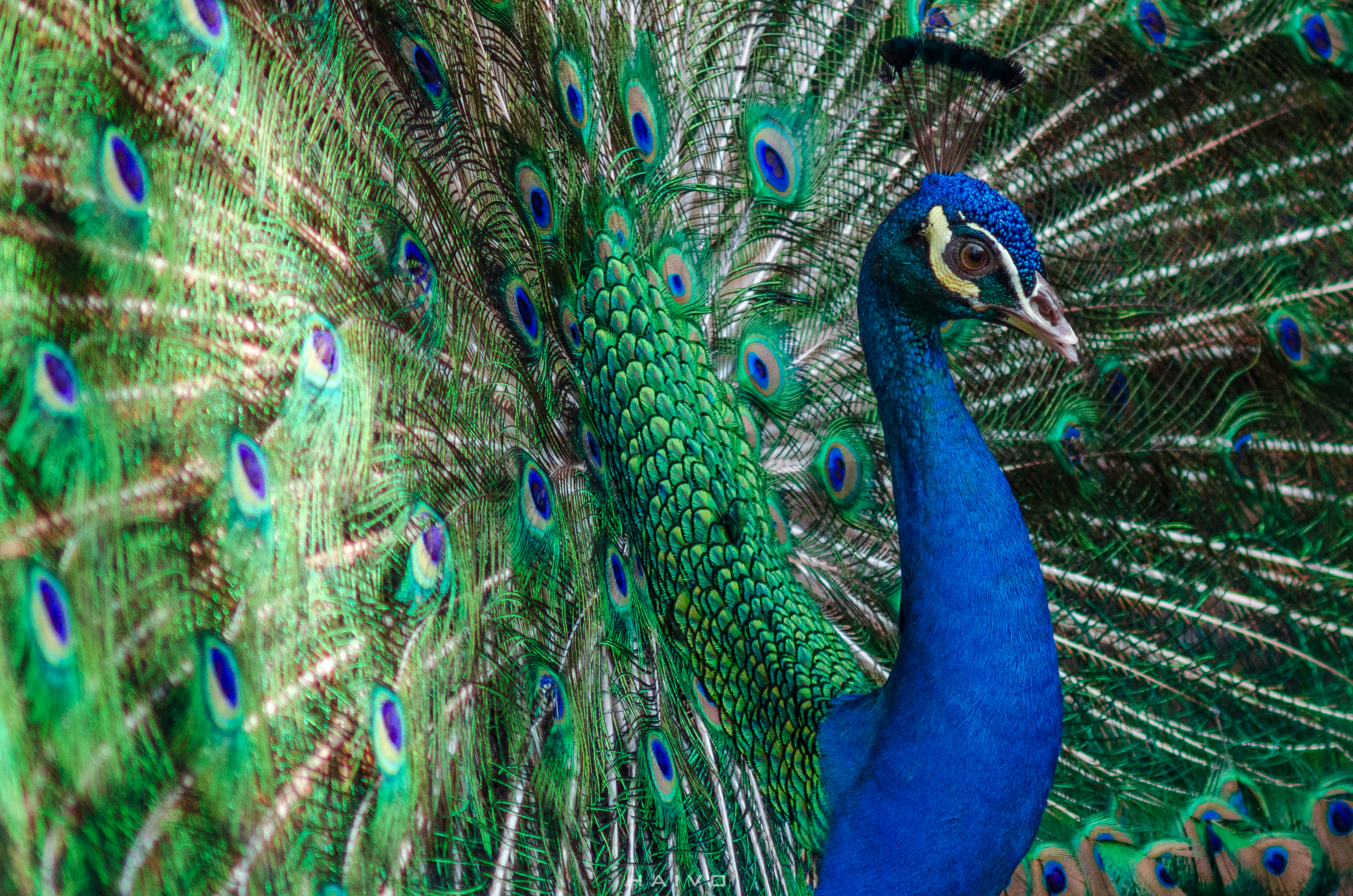
- Order Galliformes: Peafowls, Pheasants, Vietnamese Crested Argus, etc.
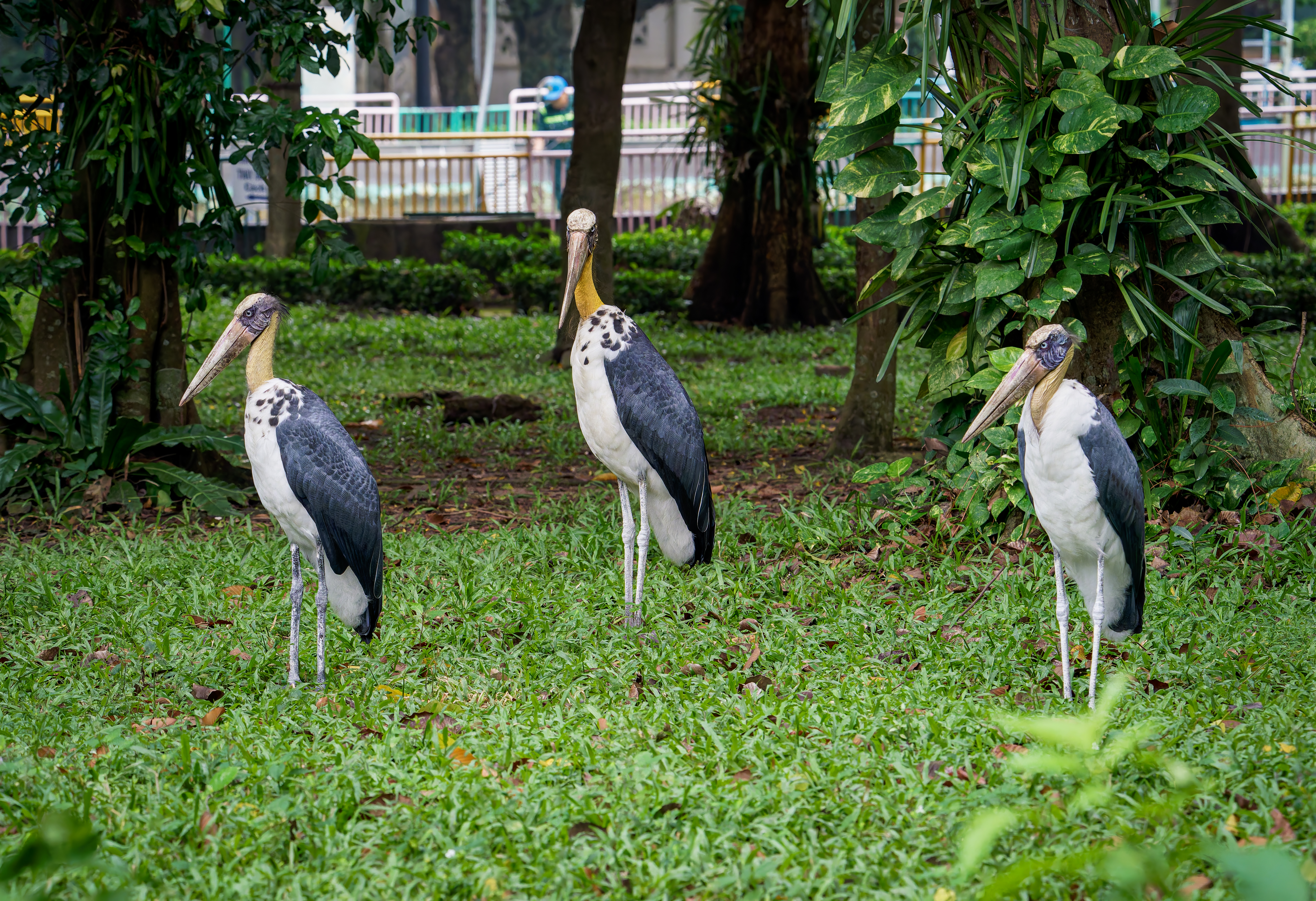
- Order Ciconiiformes: Woolly-necked Stork, Greater Adjutant, Asian Openbill.
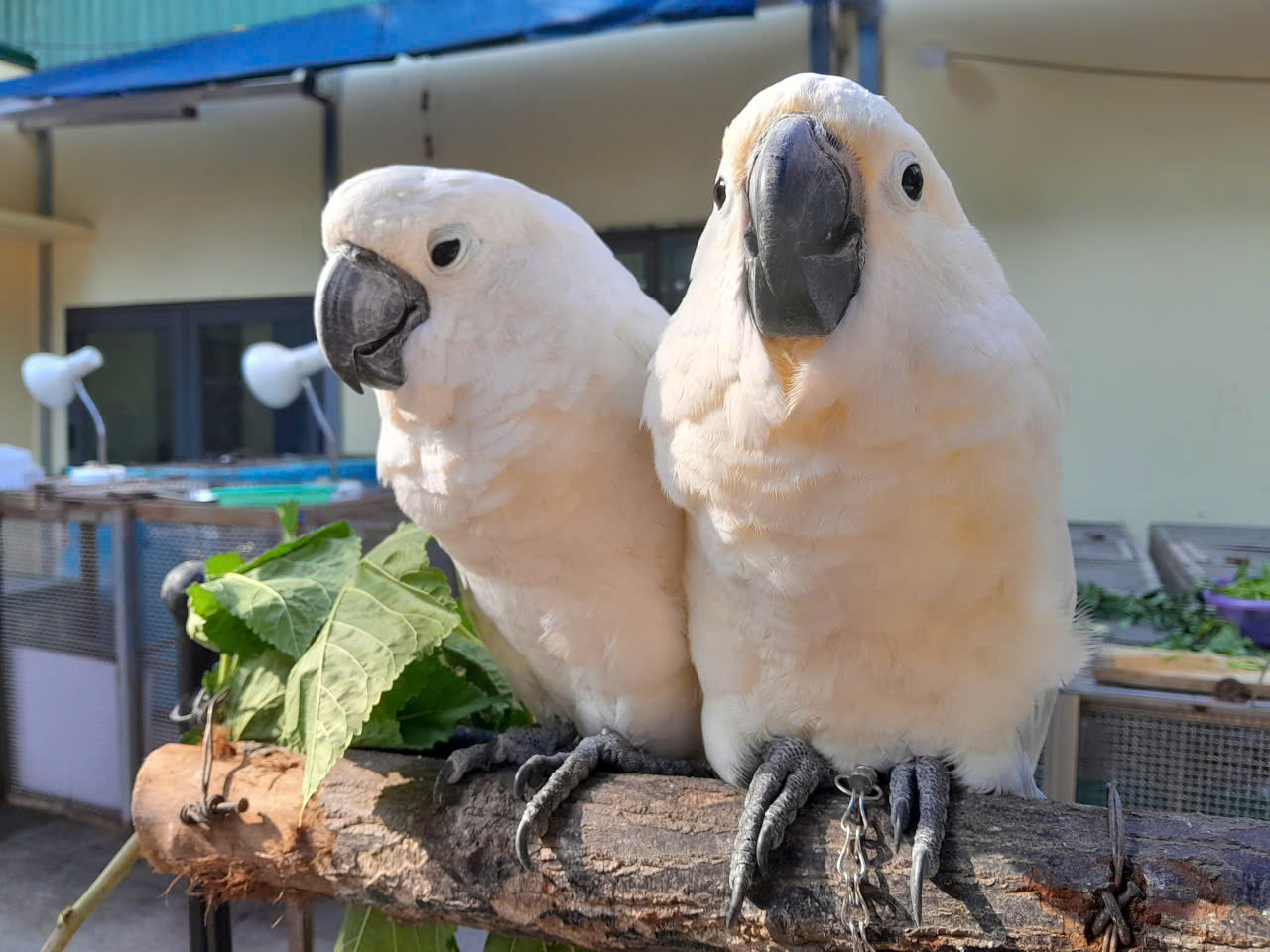
- Order Psittaciformes: Parrots and Macaws.
- Order Pelecaniformes: Spot-billed Pelicans, Egrets, and Herons.
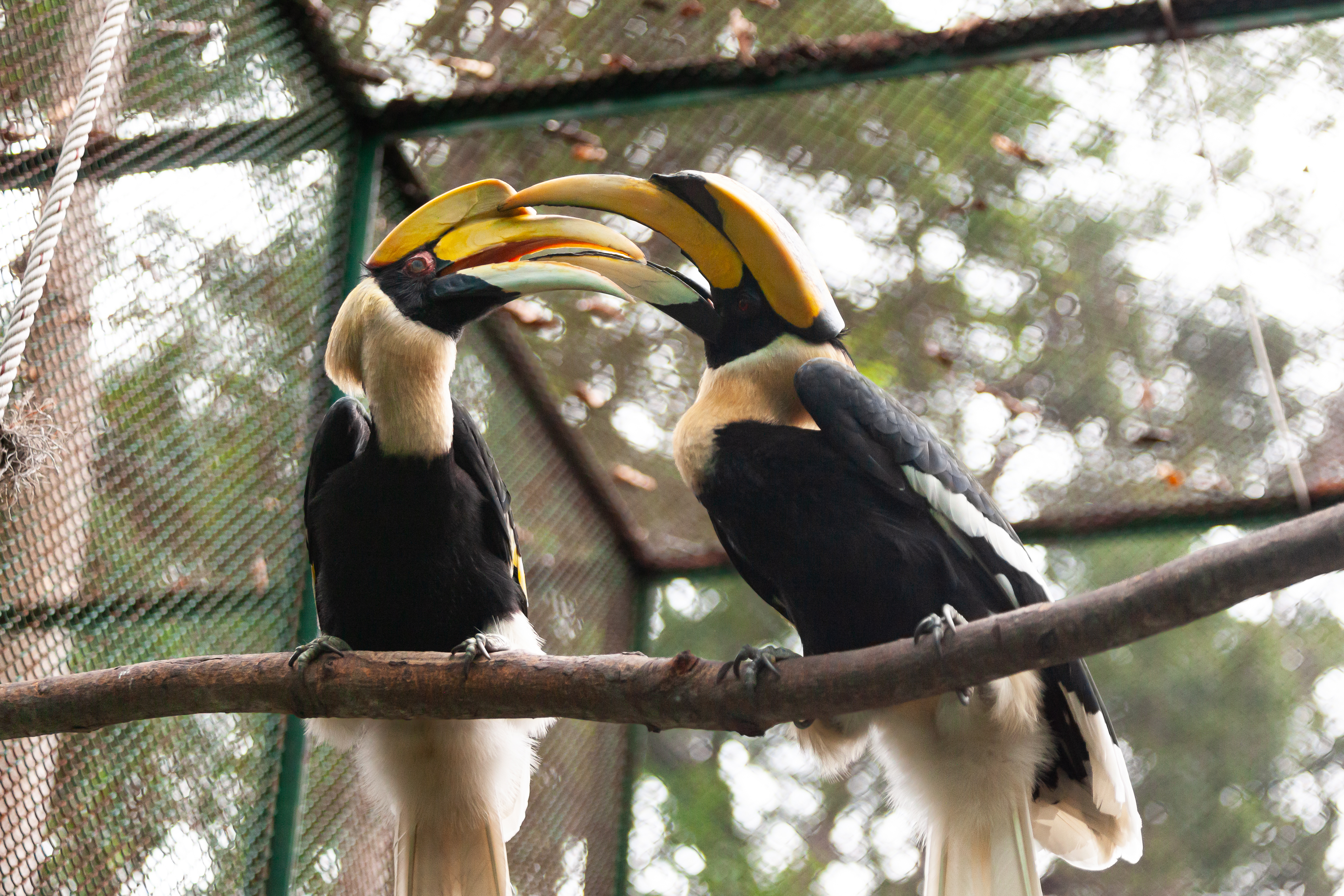
- Order Bucerotiformes: Great Hornbill, Oriental Pied Hornbill, Wreathed Hornbill.
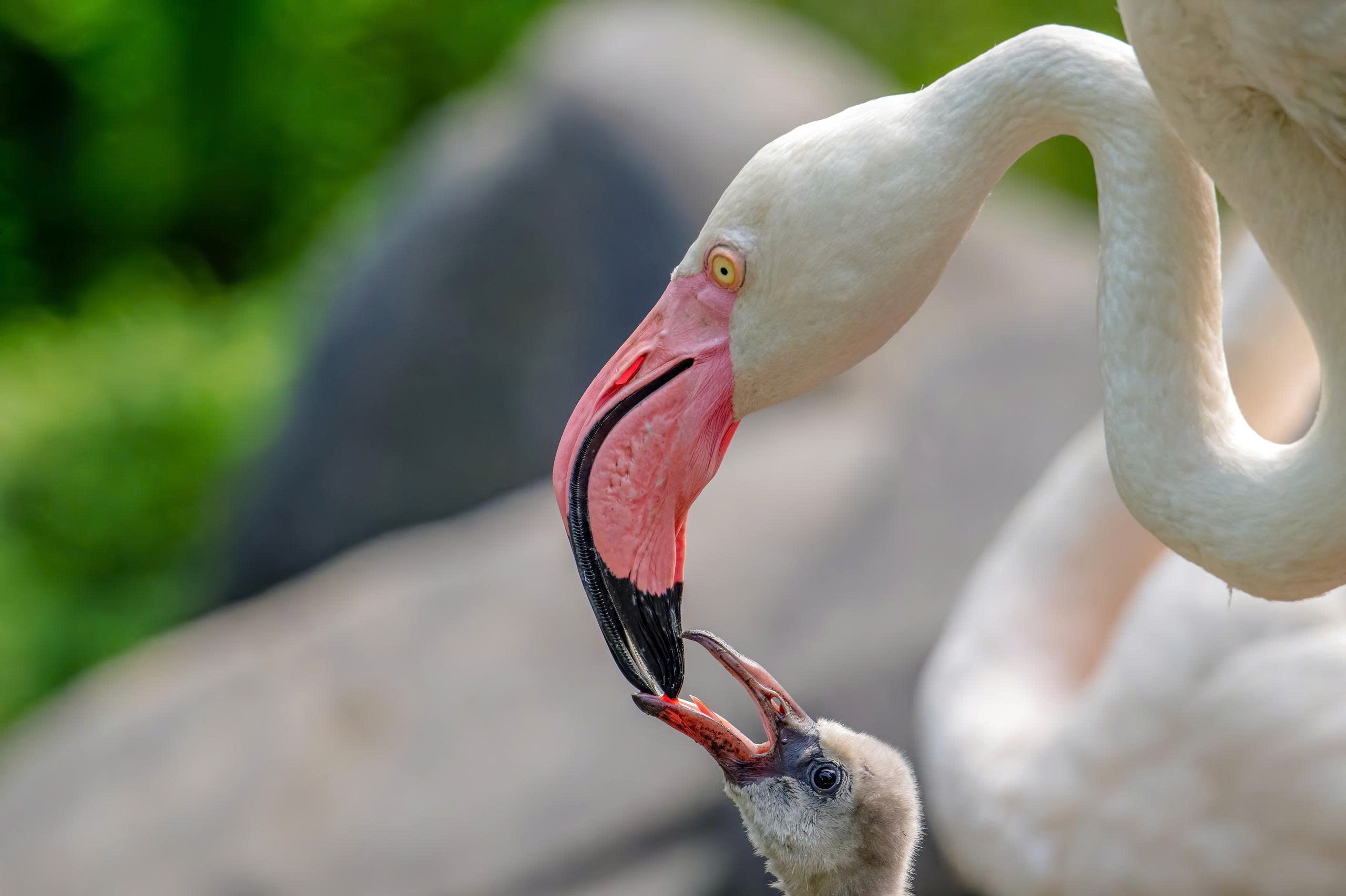
- Order Phoenicopteriformes: Flamingos.
2. Class: Reptiles (Reptilia)
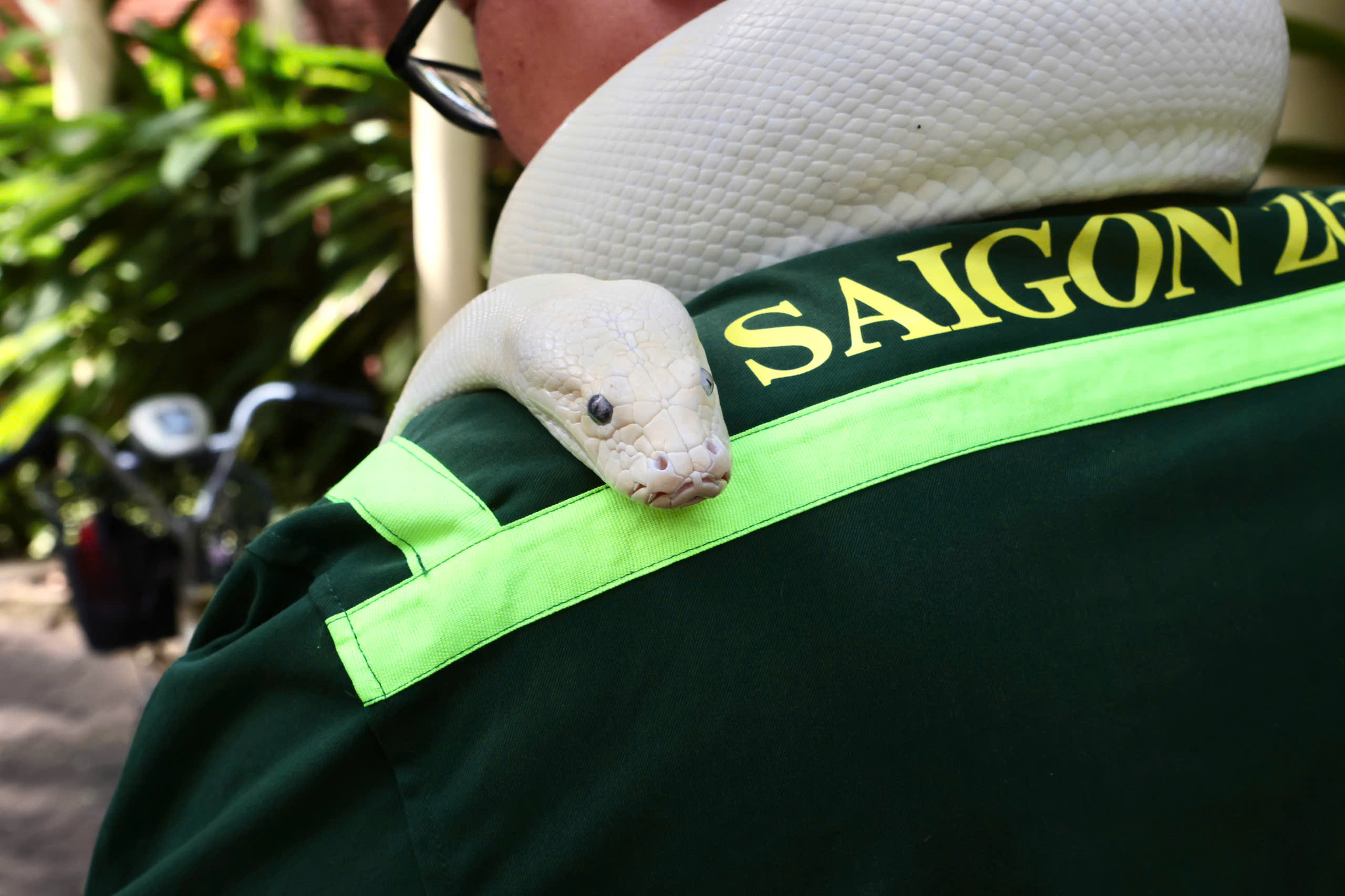
- Order Squamata: Pythons, Snakes, Iguanas, Monitors.
- Order Testudines: Turtles and Tortoises.
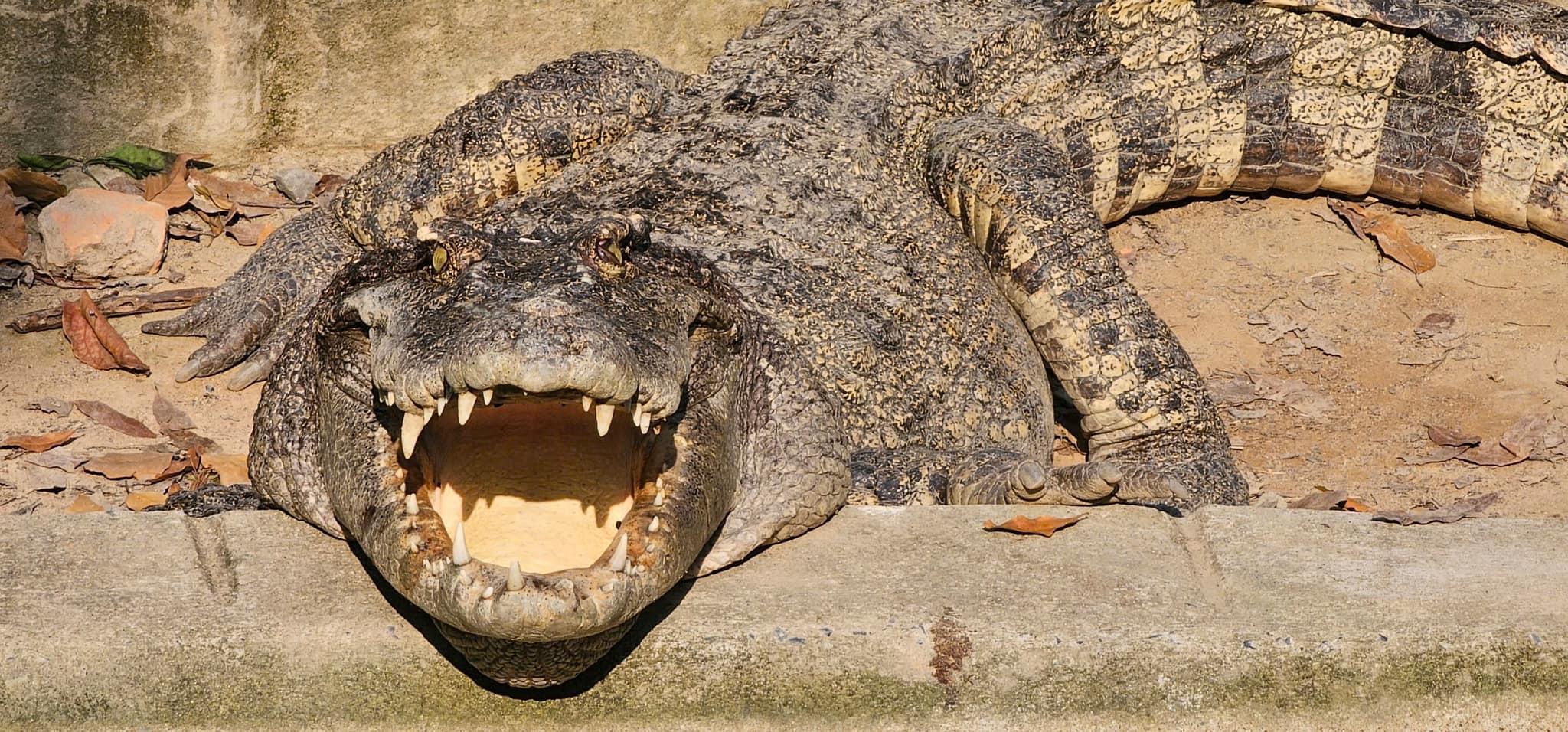
- Order Crocodilia: Crocodiles.
3. Class: Mammals (Mammalia)
Most of the mammals at SZBG are Placental Mammals, representing the following Orders:
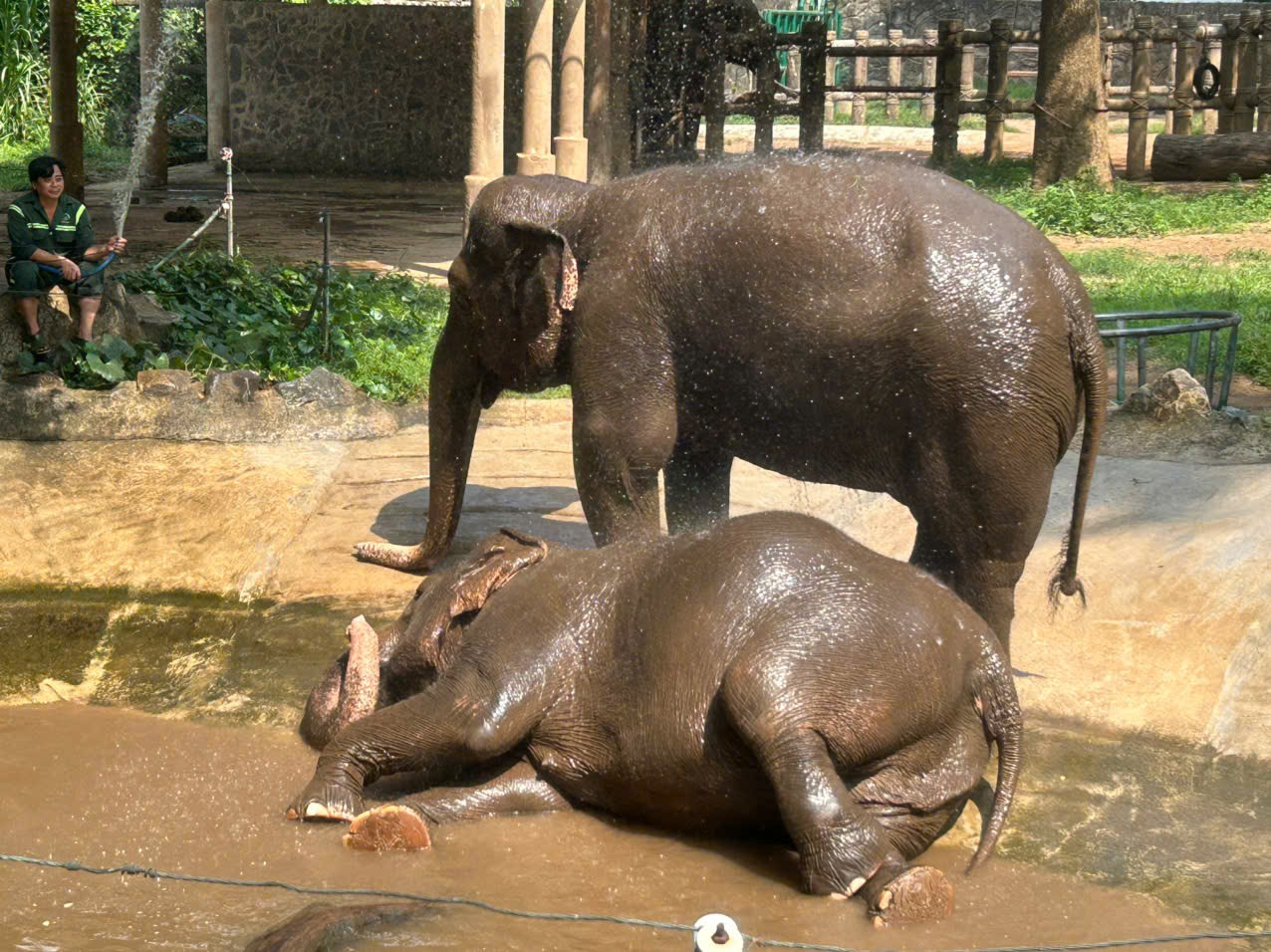
- Order Proboscidea: Elephants.
- Ungulates (Hoofed Mammals):
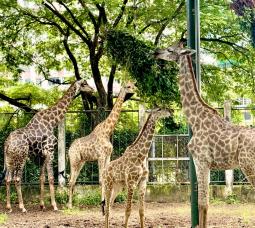
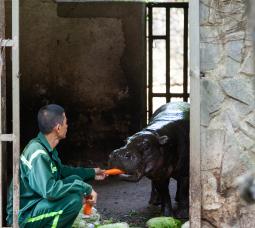
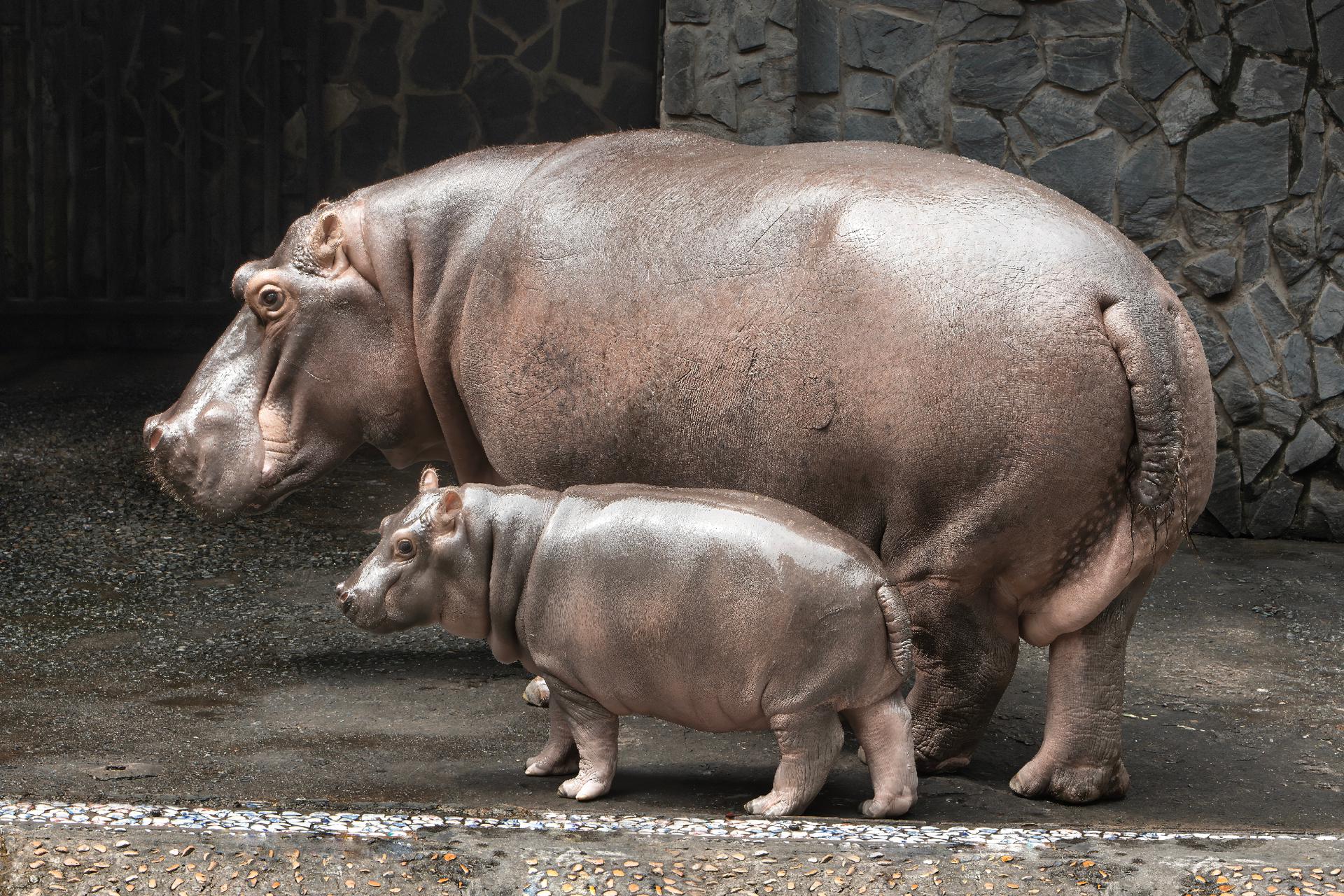
- Order Artiodactyla (Even-toed Ungulates): Wild Boar, Deer, Giraffes, Antelopes, Hippopotamuses, Goats, Sheep.
-
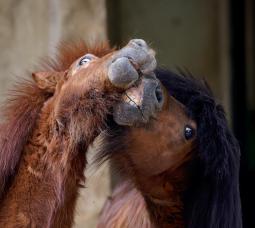
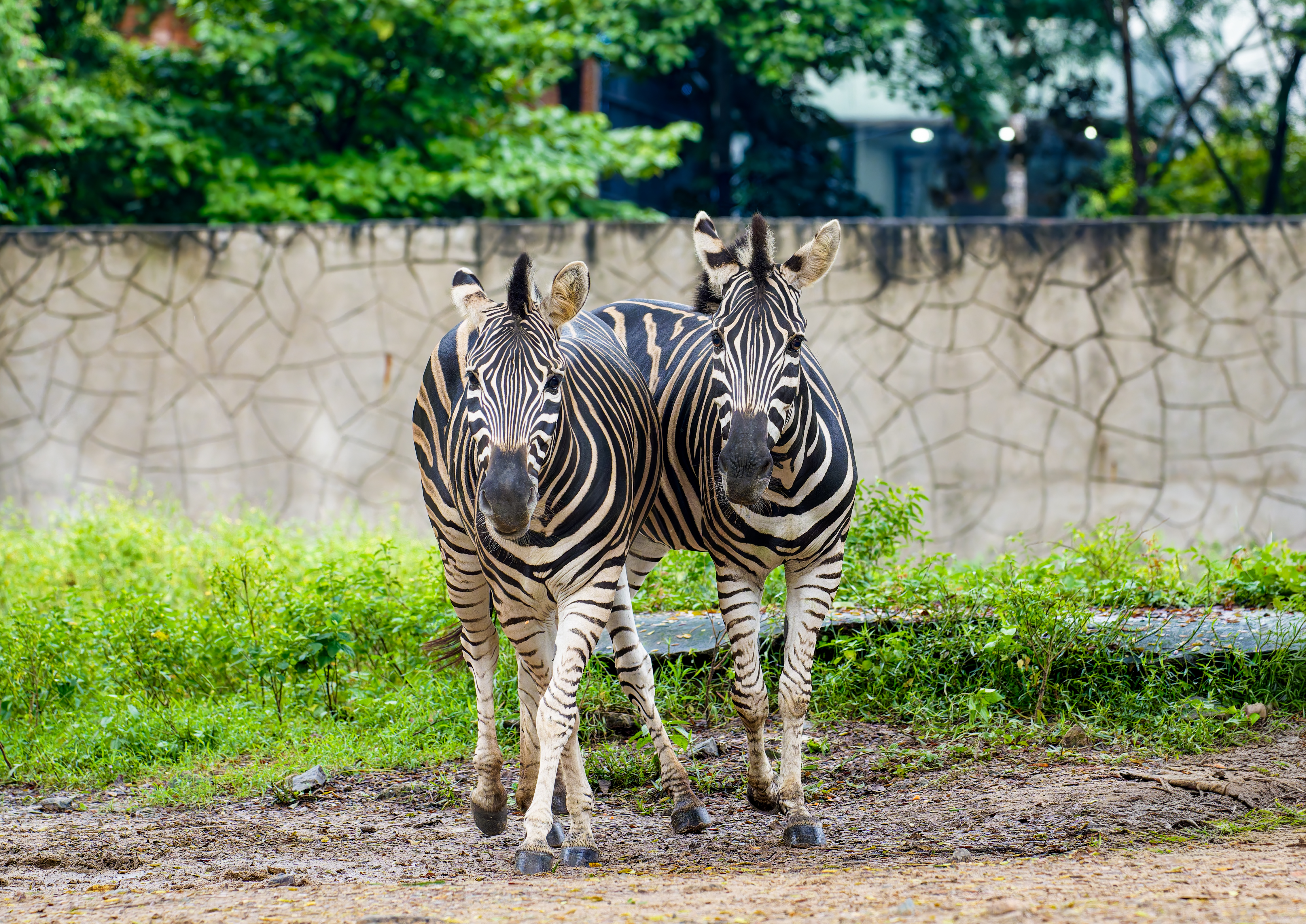
- Order Perissodactyla (Odd-toed Ungulates): Horses, Zebras, Rhinoceroses.
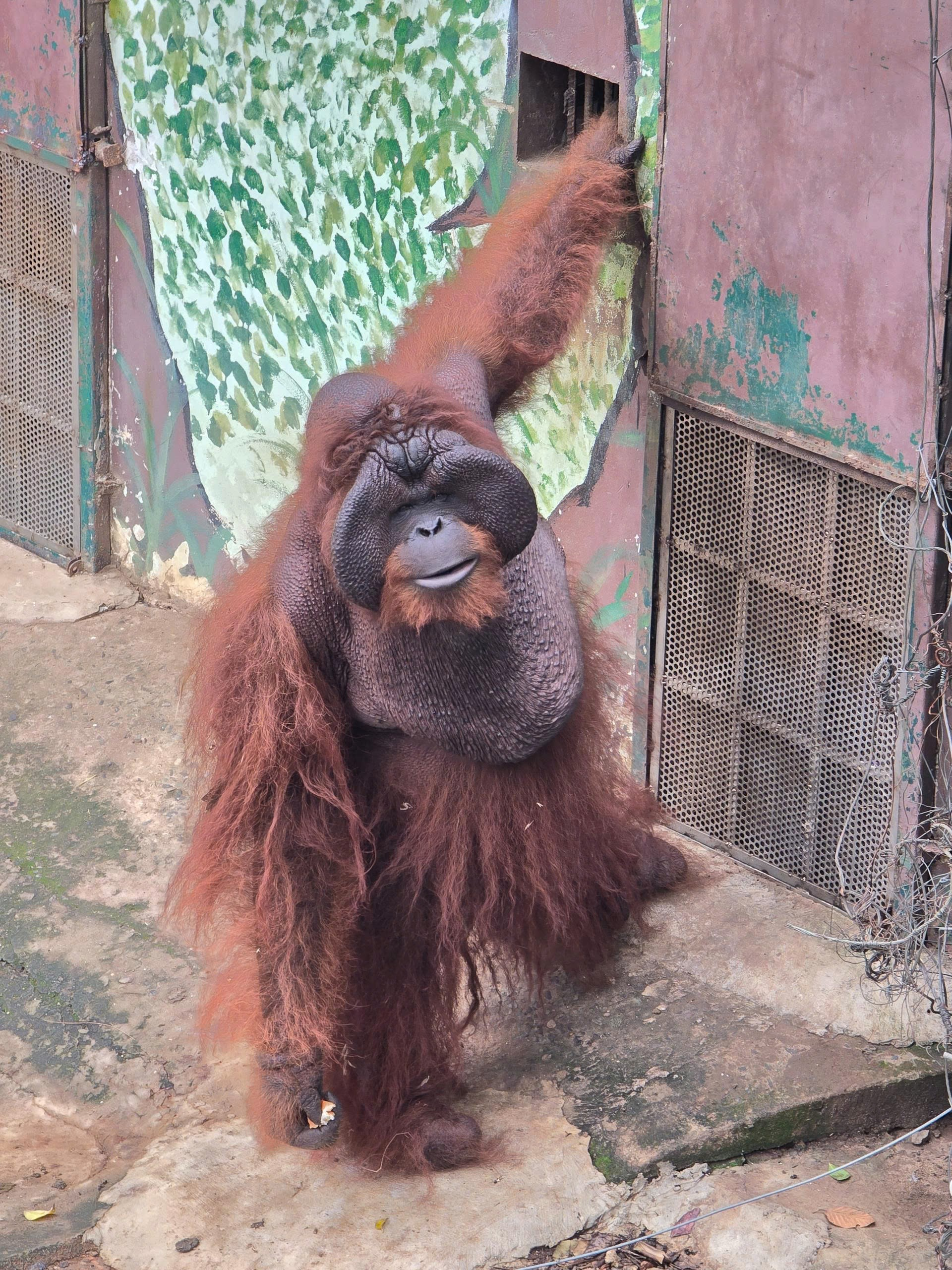
- Order Primates: Great Apes (Orangutans), Monkeys, Gibbons, Langurs, etc.
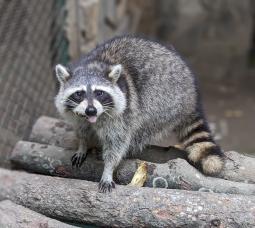
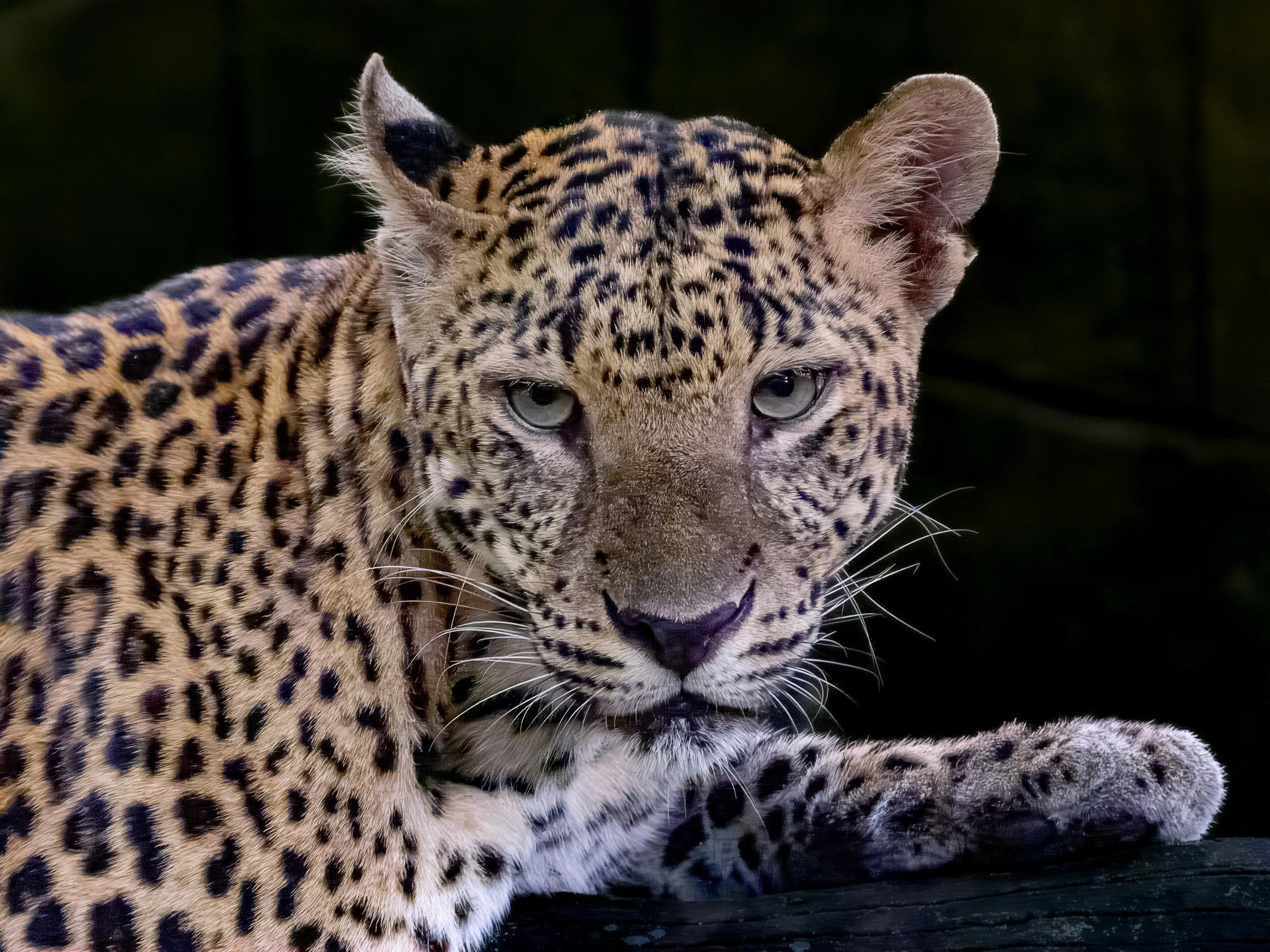
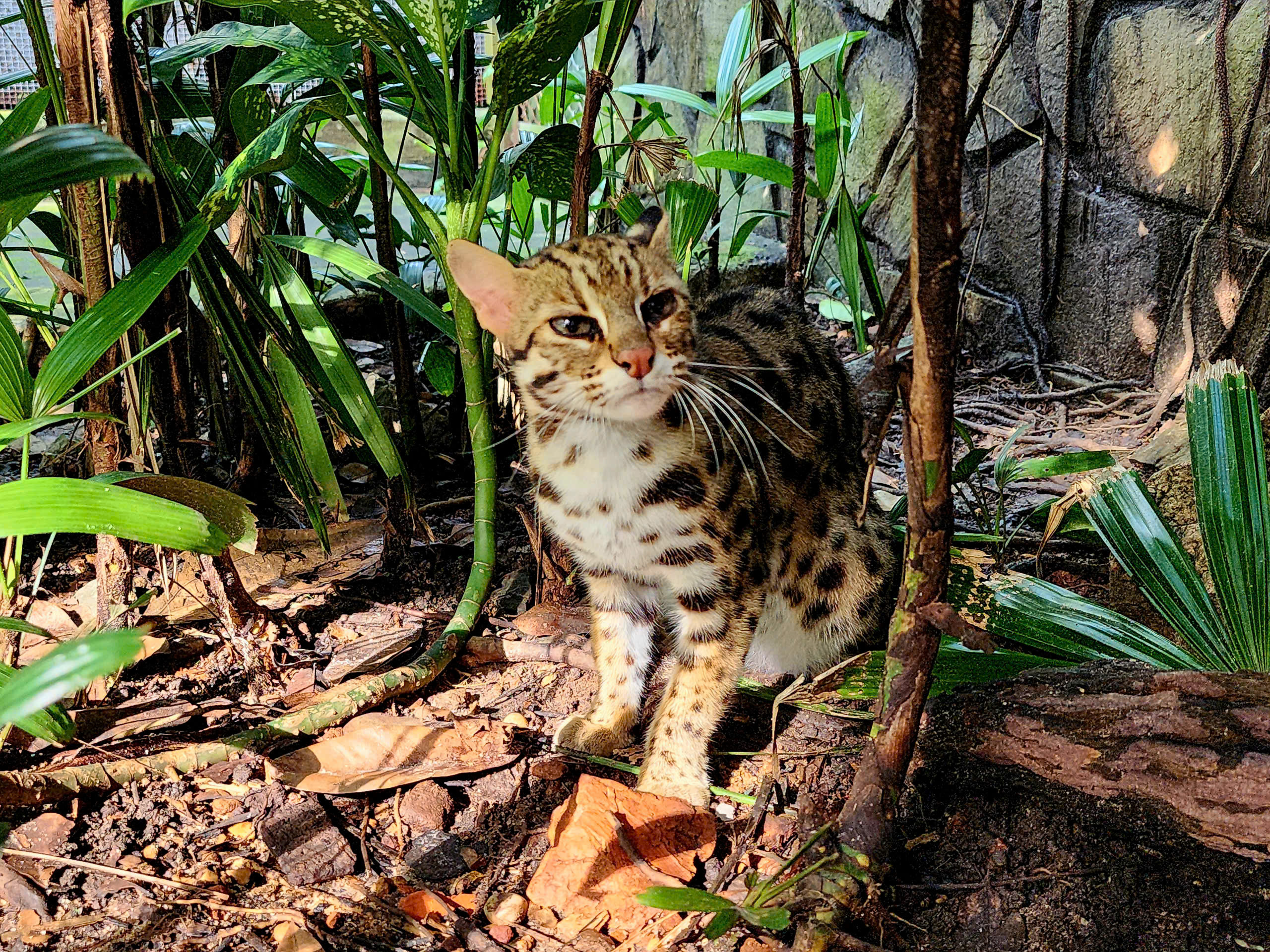
- Order Carnivora: Tigers, Leopards, Wild Cats, Bears, Civets, Wolves, Foxes, Hyenas.
- Order Pholidota: Pangolins.
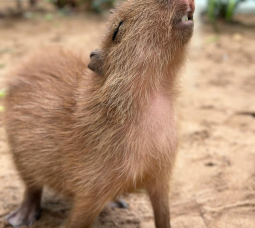
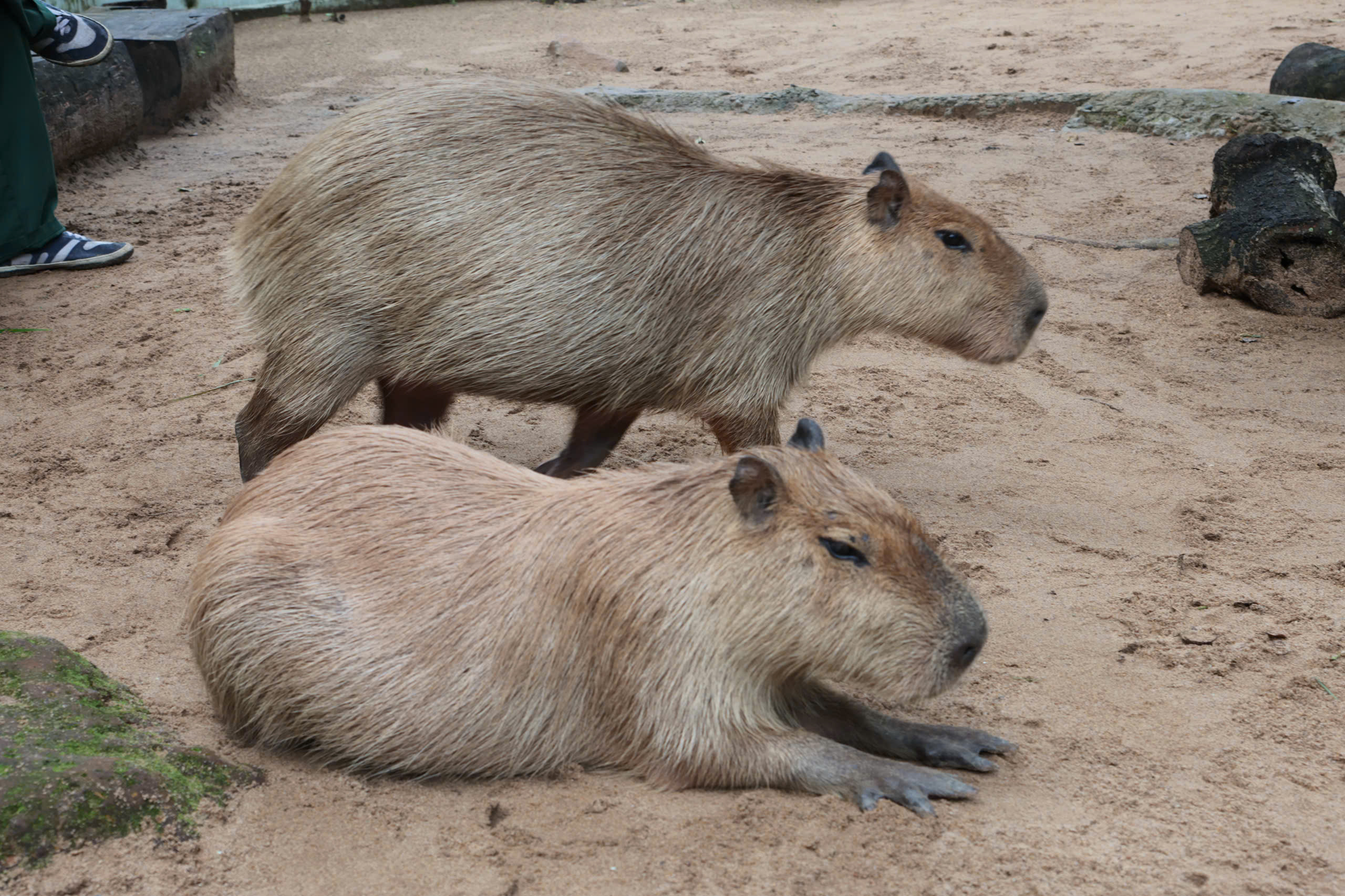
- Order Rodentia: Guinea Pigs, Porcupines, Brush-tailed Porcupines, Squirrels, Capybaras.
TECHNICAL NOTES & COMPLIANCE
- Reporting Standards: Our monthly animal population reports utilize the classification system above. While the mammalian section is highly detailed, we are continuously refining it to fully incorporate the orders of Proboscidea (Elephants), Pholidota (Pangolins), and Rodentia (Rodents) for comprehensive data.
- Visitor Information: On-site signage at individual enclosures primarily focuses on the Family and Species levels to provide specific insights into each animal's lineage.
- Historical Records: SZBG formerly cared for Kangaroos, belonging to the Order Diprotodontia and Family Macropodidae.
- Legal Alignment: This classification system is strictly aligned with Circular No. 85/2025/TT-BNNMT, which regulates the management of endangered, precious, and rare species, common forest wildlife, and the implementation of CITES (Convention on International Trade in Endangered Species of Wild Fauna and Flora).