


10 Thematic Programs
Program fees
| No. | Educational Topic | Fee (VND) |
| 1 | History & Culture | 300,000 VND / guide / topic |
| 2 | Discovering the Plant World | |
| 3 | Endangered Flora & Fauna | |
| 4 | Exploring the World of Fungi | |
| 5 | Plant Specimen Preparation | |
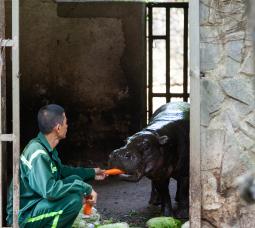
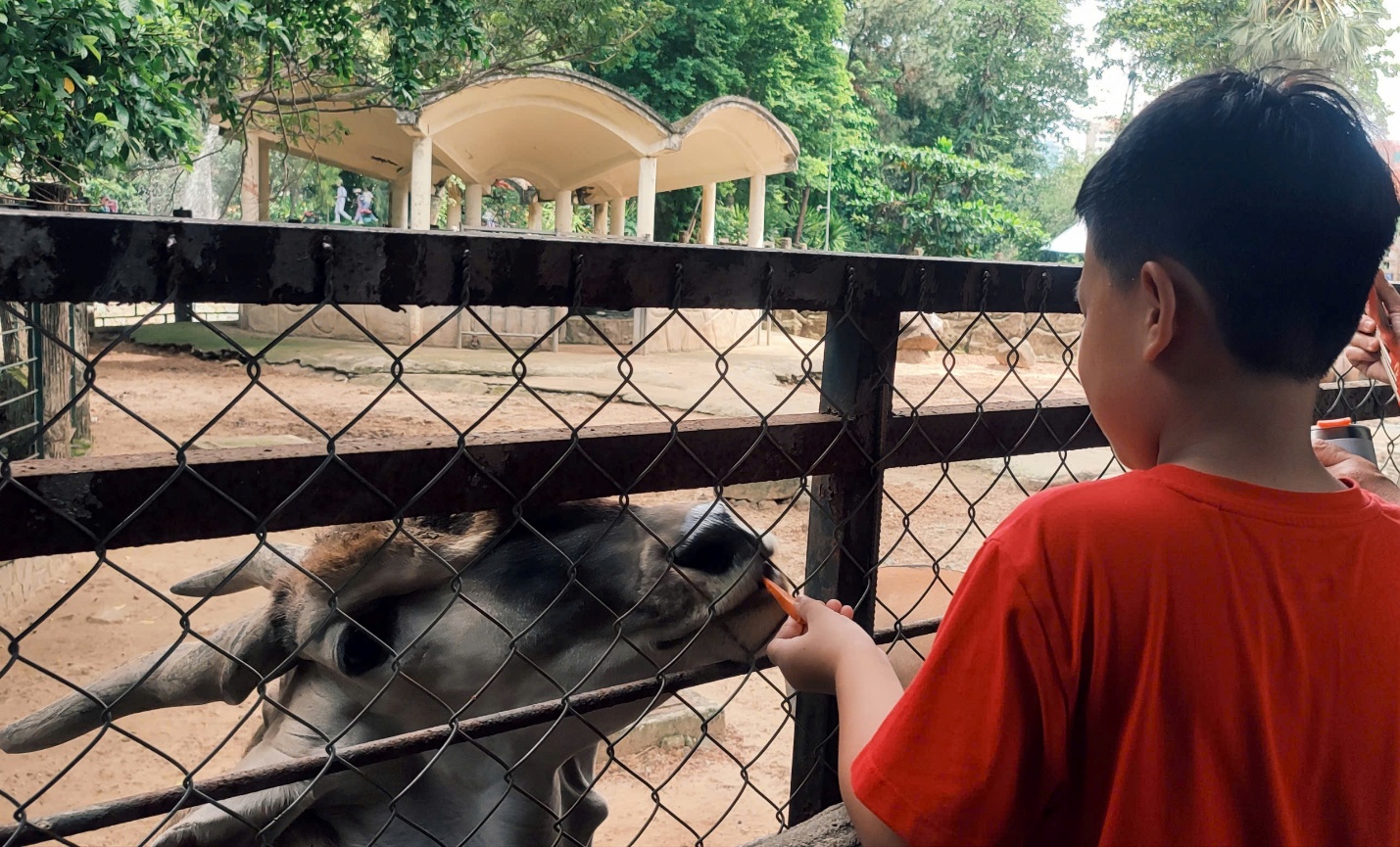
| 6 | Wildlife Nutrition (Feeding experience: +10,000 VND/person) | |
| 7 | Environmental Protection (Waste Sorting) | 400,000 VND / guide / topic |
| 8 | Vertebrates (Museum Specimens) | |
| 9 | Invertebrates (Museum Specimens) | |
| 10 | Butterflies: Beautiful Insects | 500,000 VND / guide / topic |
For the Wild Animal Diets topic, visitors who would like to take part in feeding goats or sheep may join for an additional 10,000 VND per person. Custom-designed programs are also available upon request, with optional add-on services and indoor presentation sessions when needed.
Why join?
These programs are closely connected to the school curriculum, but presented in a more lively and interactive way. Students learn through direct observation, guided exploration, and hands-on practice, which makes knowledge easier to understand, easier to remember, and more relevant to daily life. The programs also help develop soft skills such as communication, teamwork, and problem-solving, all in a green, safe, and well-equipped environment.
Topic 1: CULTURE & HISTORY
In the heart of the vibrant city, the Saigon Zoo & Botanical Gardens (SZBG) is not just a "green lung" but also a repository of over 160 years of cultural and historical marks. Coming to this topic, you will not only visit but also "time travel" to discover fascinating stories hidden behind every row of trees, every structure, and every species of flora and fauna.
-
Target Audience: Open to everyone.
-
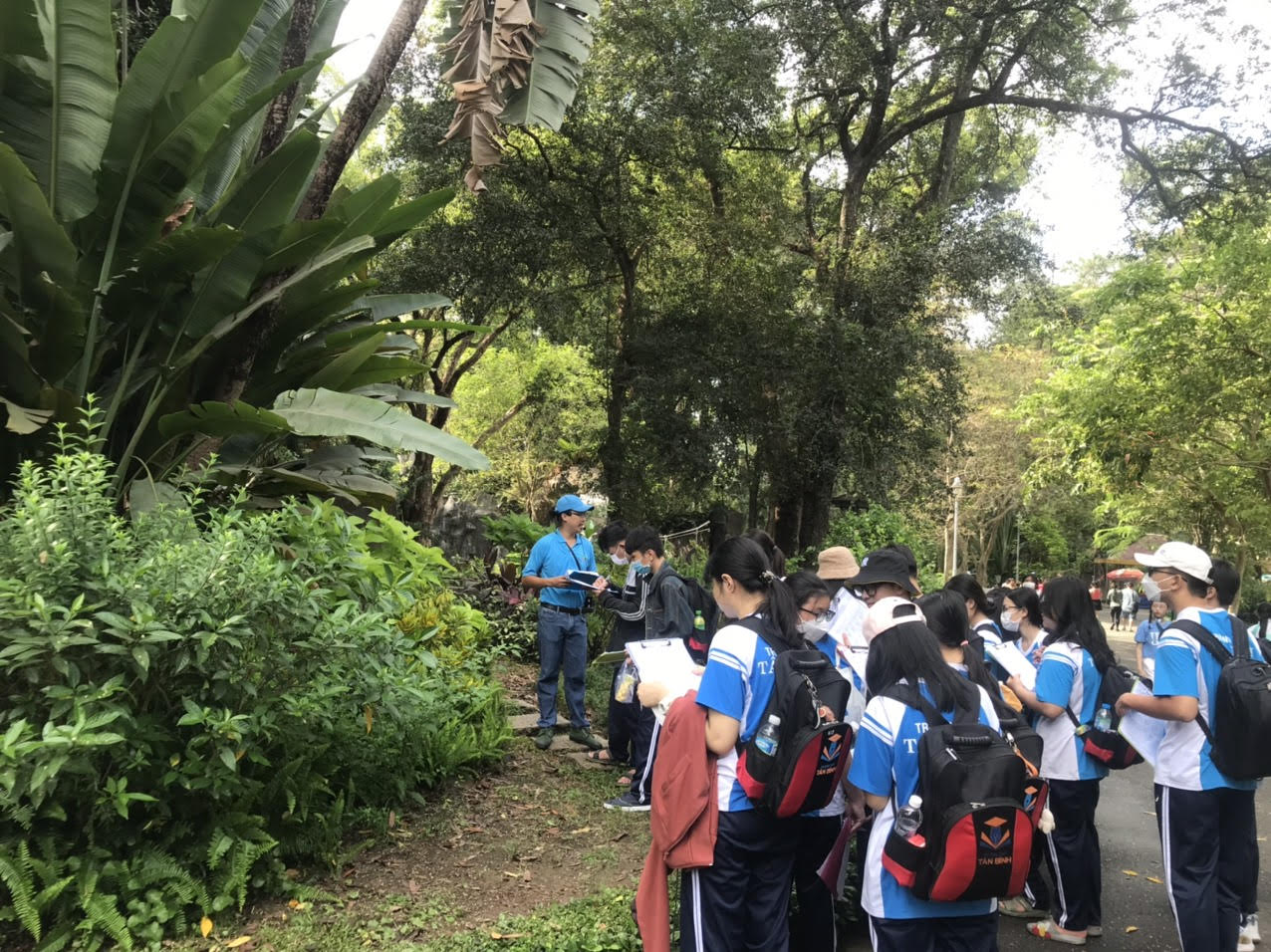
Activity 1: Walking to explore the world of flora and fauna
-
Learn about herbivores (deer, elephants...), carnivores (tigers, lions...), and primates (monkeys, gibbons...).
-
Observe birds and reptiles.
-
Visit the ancient tree area, the traditional medicinal garden, and exotic plants along the way.
-
Method: Learning through practical observation, vivid storytelling, and direct interaction.
-
-
Activity 2: Deciphering cultural and historical marks
-
Learn about the memorial plaque of Mr. Louis Pierre – the first Director.
-
Admire the Bronze Elephant statue.
-
Visit City-level historical relics: Nhan Huong Quan.
-
The 1924 Tiger Cage and the old Gibbon enclosure.
-
Explore the Museum of Flora and Fauna.
-
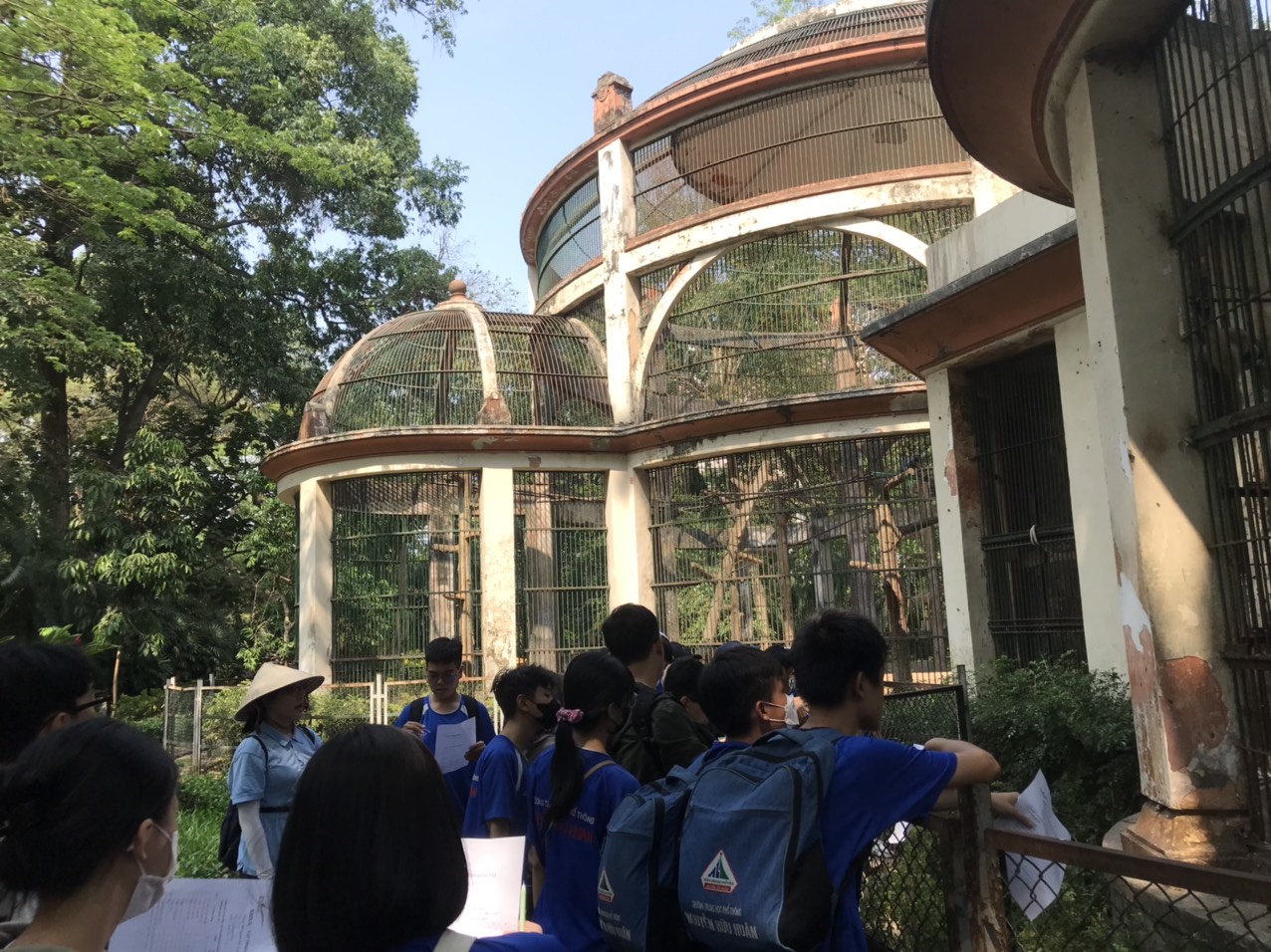
Every stop is a story, and every story is a piece of the puzzle that creates a vivid historical picture.
Significance of the topic:
-
Gain a deeper understanding of the history and development of the Saigon Zoo & Botanical Gardens.
-
Connect knowledge of history, biology, and culture in a visual and intuitive way.
-
Nurture an awareness of nature conservation and the preservation of traditional values.
-
Develop skills in observation, listening, and critical thinking.
A learning session at the Zoo is not just a sightseeing trip, but a journey of discovering the past – understanding the present – and cherishing the future.
Topic 2: EXPLORING THE PLANT WORLD
Touch Nature – Awaken all Senses!
-
Target Audience: Suitable for all grade levels.
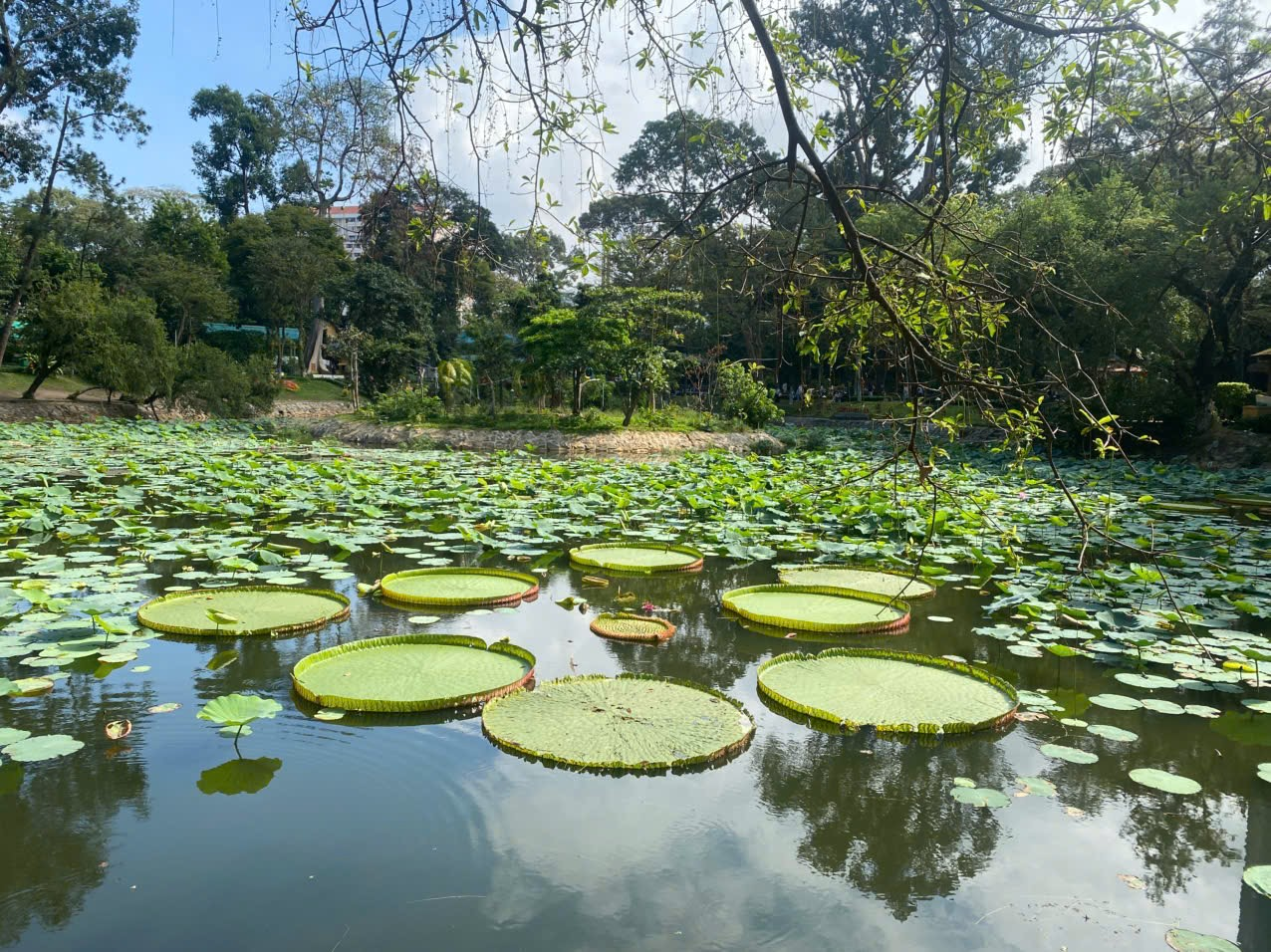
Activity 1: Walking through a "miniature forest" Students will visit and explore the diverse flora right in the heart of the city:
-
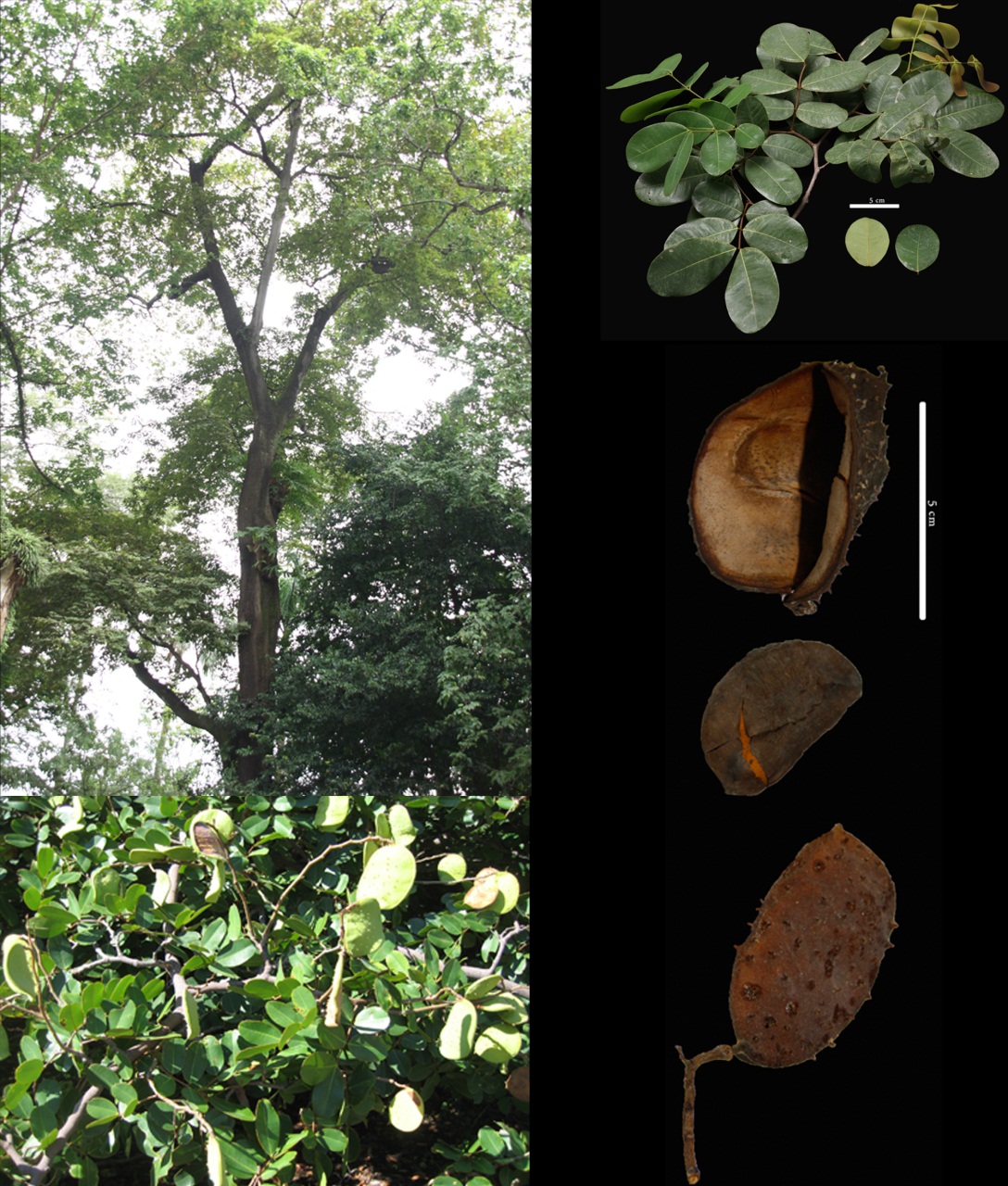
Vietnam Heritage Trees such as the Tetrameles (cây Tung), African Mahogany clusters, and the Large-fruited Burma Padauk (cây Giáng hương trái to).
-
Ancient trees native to the Southeastern forest.
-
Species with unique flowers, leaves, and trunks.
-
Take commemorative photos in the beautiful flower gardens.
Beyond observation, students will also listen to vivid presentations on the characteristics, uses, and roles of each species within the ecosystem.
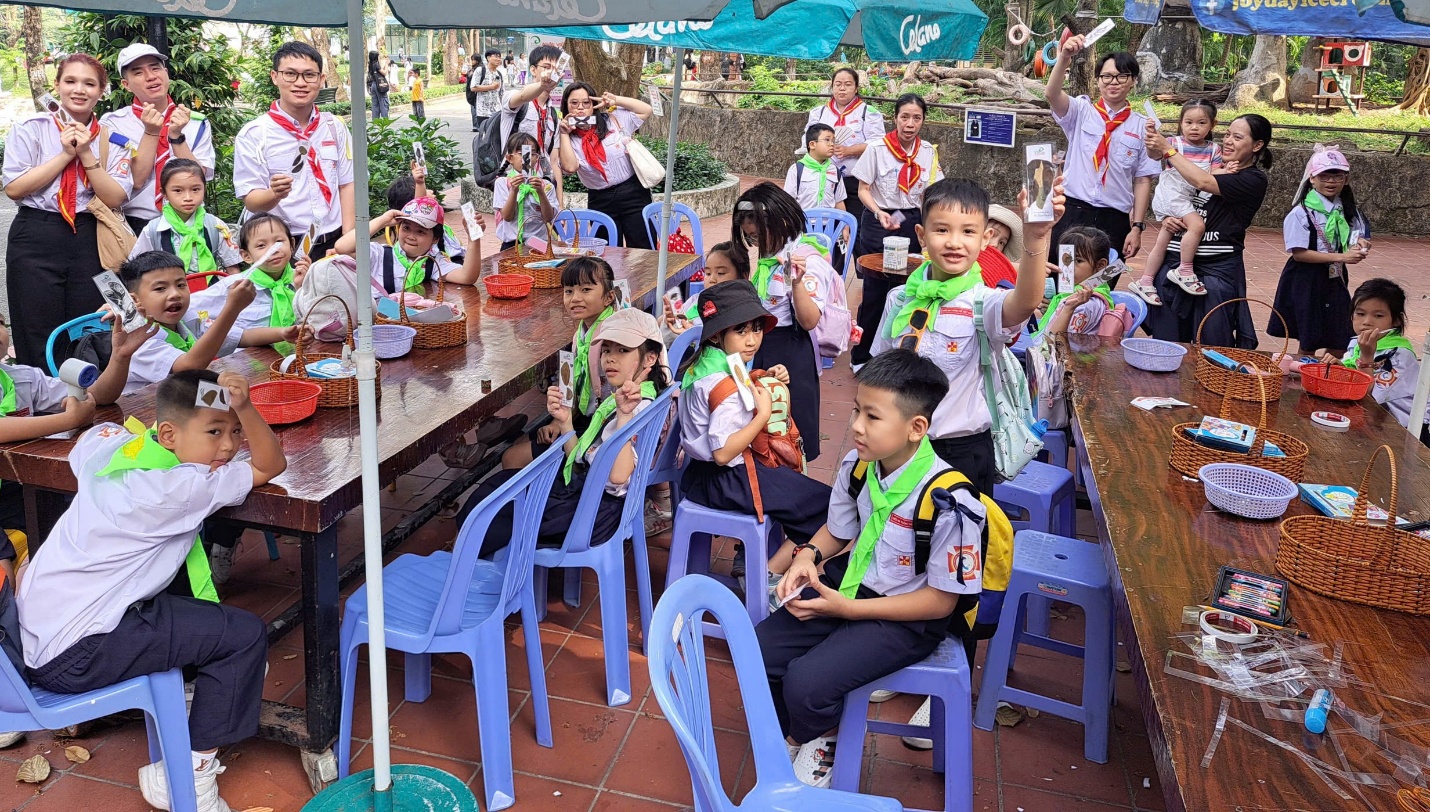
Activity 2: Creating with "Nature’s Traces"
Learning is fun with one of three engaging experiential activities:
-
Planting and hand-decorating pots.
-
Creating art prints from leaf veins.
-
Making unique bark texture rubbings.
Through these hands-on activities, students can unleash their creativity, appreciate the delicate beauty of nature, and form an awareness of environmental conservation.
An outdoor lesson full of new discoveries, where students get to see, touch, and truly experience nature, will provide a unique and inspiring learning experience.
Topic 3: RARE FLORA & FAUNA
Each rare species is a “living treasure” entrusted by nature – and they need our protection.
Target Audience: All grade levels. The journey of discovery consists of 3 engaging activities (taking place throughout the tour).
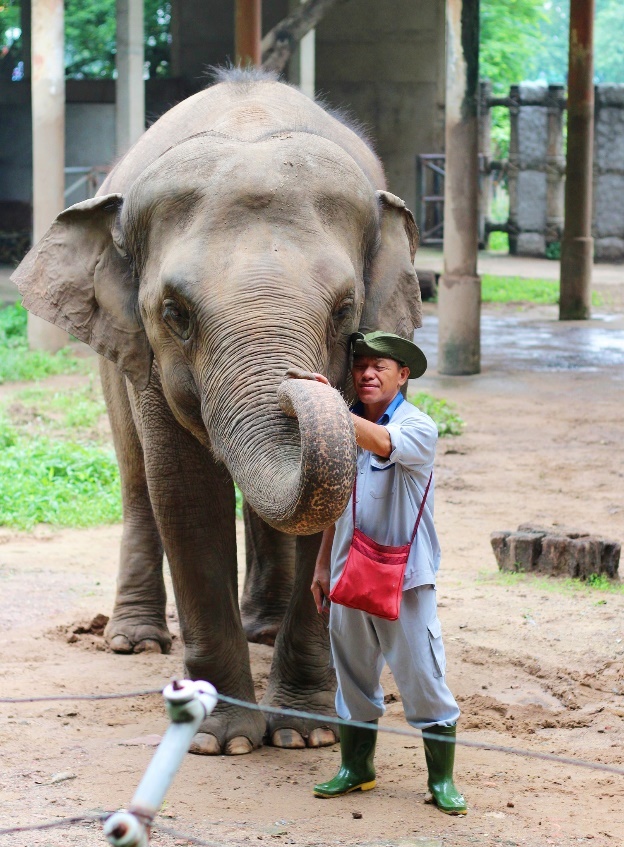
Activity 1: Visiting Rare Animals Observe rare animal species firsthand and learn about:
-
Species name and identifying characteristics.
-
Habitats and reproductive habits.
-
Dietary regimes.
-
Levels of endangerment and risk of extinction.
Seemingly dry knowledge will come to life through direct explanations and real-life observations.
Activity 2: Exploring Rare Plants Not only animals, the plant world also hides many wonders:
-
Learn about the characteristics and vital roles of trees in the environment and daily life.
-
Listen to fascinating stories about ancient, long-standing trees.
-
Discover trees with unique scents, colors, and shapes.
Every tree trunk is a "living witness" of time.
Activity 3: Why have they become rare? Together, students will explore:
-
The causes leading many species to the brink of extinction.
-
The impacts of humans and the environment.
-
Practical actions to protect biodiversity.
From there, students form a love for nature and a responsibility for conservation starting from the smallest actions.
An outdoor lesson not only brings knowledge but also awakens curiosity, compassion, and a love for nature. Let the children see with their own eyes, listen, and understand that: protecting rare flora and fauna is protecting our own future.
Topic 4: UNDERSTANDING THE WORLD OF FUNGI
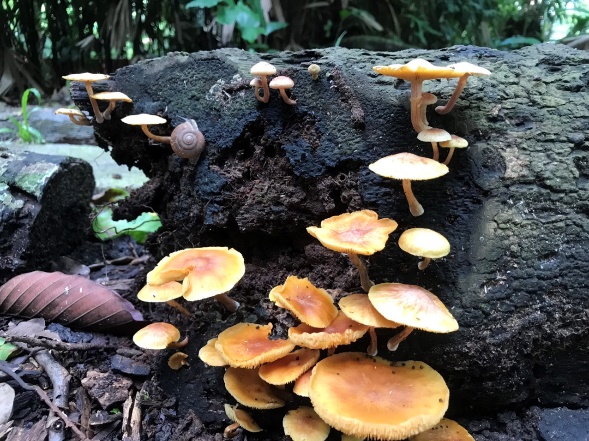
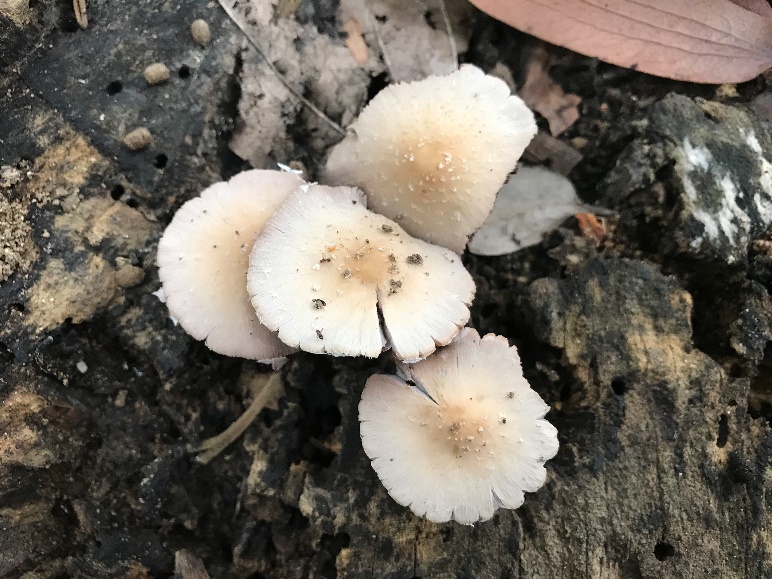
Take a tour combined with visiting, discovering, and learning about Fungi – one of the five kingdoms of life in the biological classification system. Fungi play a very important role in nature, contributing to the decomposition of organic matter, and have many applications in life such as food, pharmaceuticals, and industry. The topic "Understanding the World of Fungi" will help students discover the beauty of this kingdom through identification, observation, and learning about structural characteristics and shapes. Students will also practice measuring environmental parameters of fungi habitats and understand the roles, benefits, and harmful effects of fungi.
Target Audience: Grades 4 to 6.
This is not just a science lesson – it is a journey of discovery filled with curiosity, stimulating thinking and nurturing a passion for natural biology!
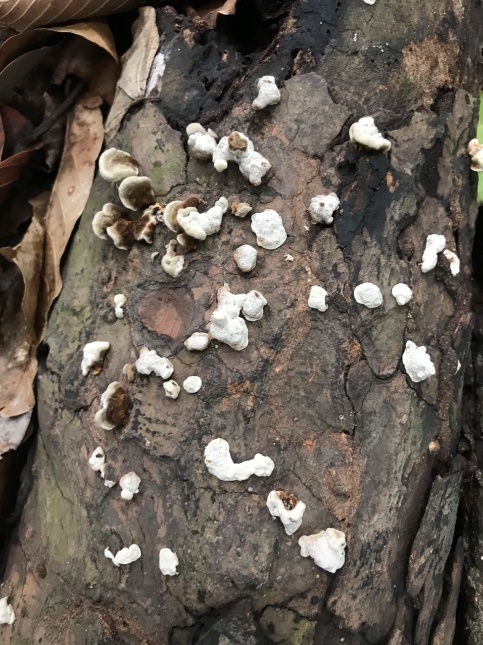
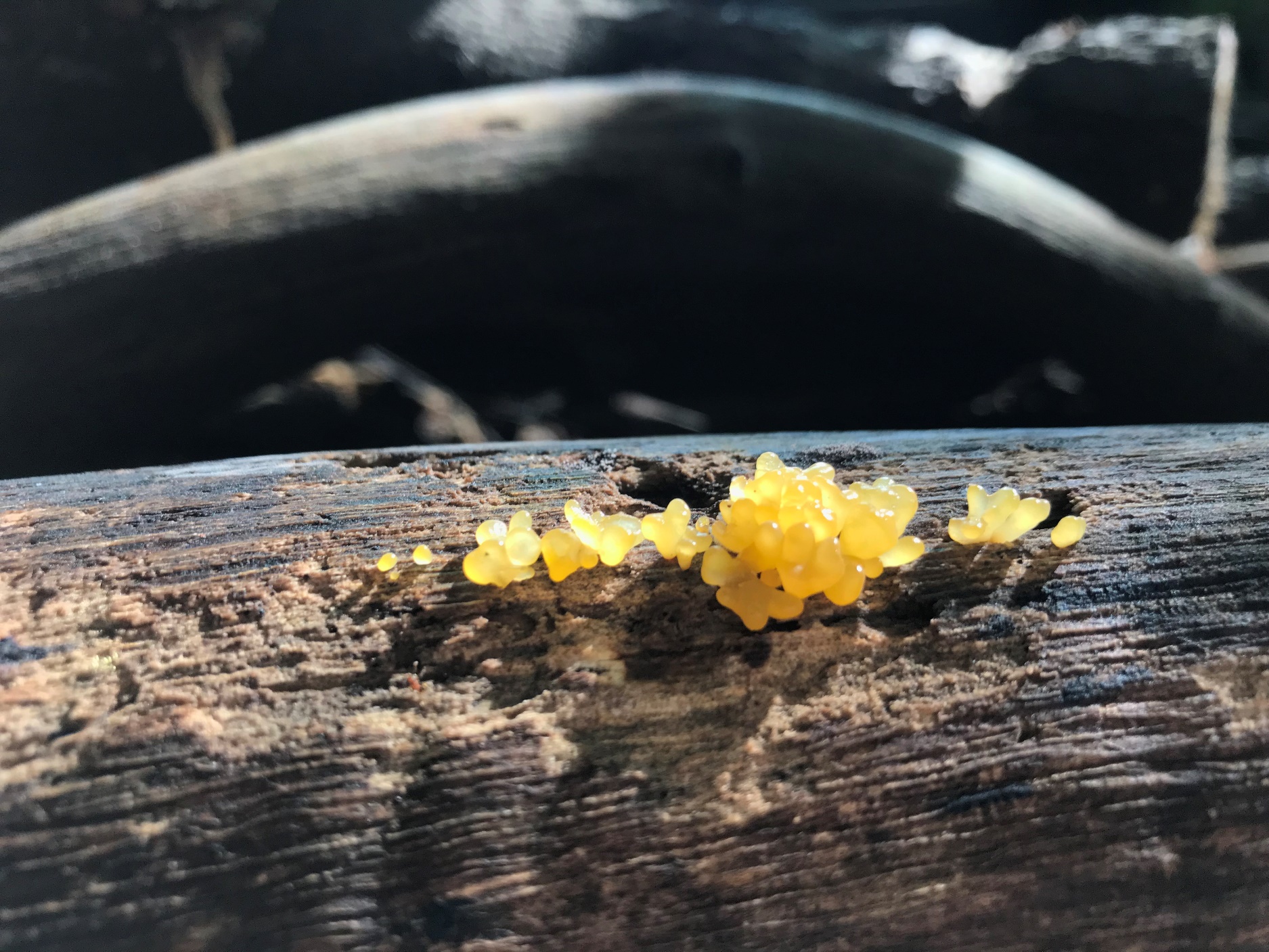
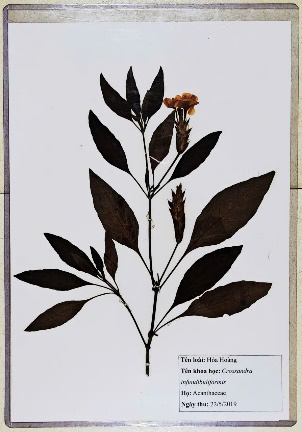
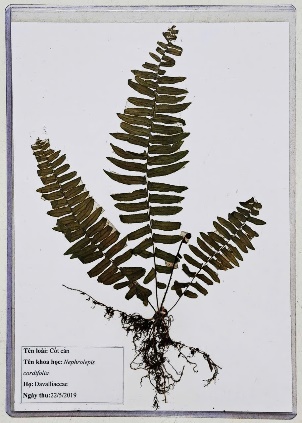
Topic 5: PLANT SPECIMEN PREPARATION
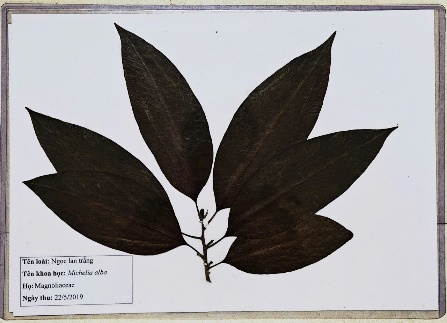
Collecting and pressing plant samples to create specimens holds significant importance, such as for storage, exhibition, supporting the identification of new plant species, and for artistic decoration. Students will personally transform ordinary leaves into unique works of art with their own personal touch!
This is not merely a craft activity – it is a journey of connecting with nature through meticulousness and creativity.
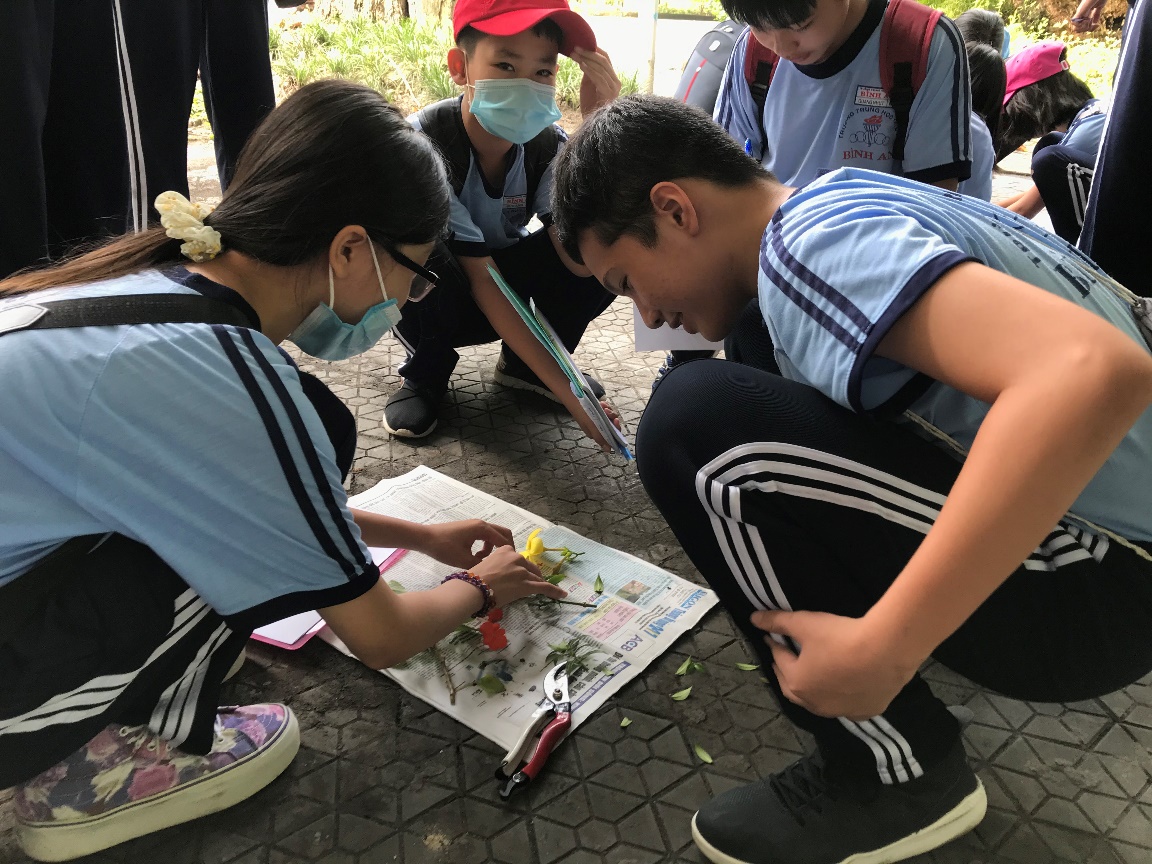
Activity 1: Exploring the green botanical treasure The Saigon Zoo & Botanical Gardens possesses a diverse and abundant flora. Students will be guided to observe, identify, and select suitable samples.
Activity 2: Understanding the significance and process of plant specimen preparation, and practicing the preparation.
Activity 3: Creating with leaves Using dried leaf and flower samples, students can:
-
Design unique art pieces.
-
Make bookmarks and souvenirs.
This topic helps students foster creativity, cultivate patience and teamwork skills, and build an awareness of protecting plant diversity and the environment.
Topic 6: WILD ANIMAL DIET – DISCOVERING THE “DINING SECRETS” OF ALL SPECIES!
Have you ever wondered:
-
How much meat does a lion eat each day?
-
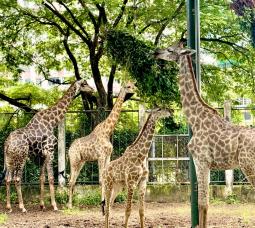
How does a giraffe chew leaves?
-
Why are crocodile teeth so sharp?
Let's embark on a journey to explore the fascinating culinary world of animals at the Saigon Zoo & Botanical Gardens – where every meal is an incredibly engaging biological story!
Target Audience: All grade levels. The content is designed to be flexible, age-appropriate, and ensures both clarity and a rich sense of discovery.
Activity 1: Observing the animal food preparation house at the Zoo.
Activity 2: What do animals eat? Classify animals into 3 main groups:
-
Carnivores: Hunters, sharp teeth, strong jaw muscles.
-
Herbivores: Flat teeth, specialized digestive systems.
-
Omnivores: Flexible and highly adaptable.
Beyond just "what they eat," students will also learn about:
-
The adaptation of teeth, jaws, and body structure according to each type of diet.
-
Special types of food in the wild.
-
The role of diet in maintaining ecological balance. From this, students will realize: every species has an incredibly intelligent "survival strategy"!
Activity 3: Visiting the Museum of Flora and Fauna. The journey continues at the skeleton and specimen exhibition area.
-
Observe the dental and skeletal structure of various species.
-
Compare the differences between carnivores, herbivores, and omnivores.
-
Understand the close connection between body structure and diet.
For high school students, the topic will be expanded to include:
-
Learning about food webs.
-
The concepts of biological control and ecological balance.
A logical and fascinating biological picture will gradually unfold!
Topic 7: ENVIRONMENTAL PROTECTION
Earth is not just where we live – it is the “common home” of all species. Are you ready to become a “green warrior” and make a difference?
Join the Environmental Protection topic at the Saigon Zoo & Botanical Gardens – where students experience, act, and spread a green lifestyle in extremely fun and creative ways!
Target Audience: All grade levels.
Activity 1: Visiting the ecosystem of the Saigon Zoo & Botanical Gardens.
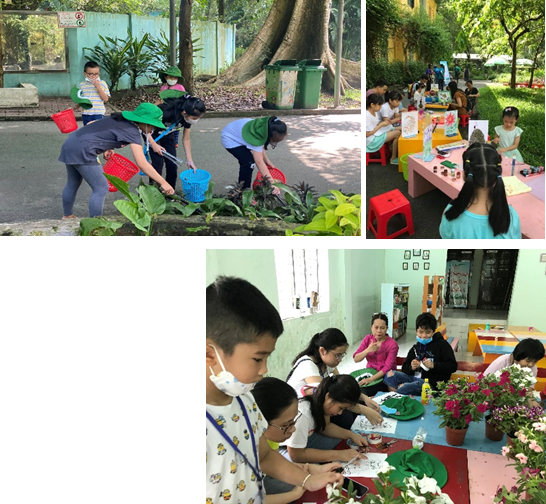
Activity 2: Learning about waste, collecting and sorting waste (Suitable for Primary + Middle School). Waste is not just something to throw away – it is a global environmental issue if we do not handle it properly. Students will:
-
Learn about common types of waste.
-
Practice sorting waste correctly.
-
Understand the impact of waste on the environment and animals. From there, they will form green living habits from small daily actions.
Some activities of the Environmental Protection topic.
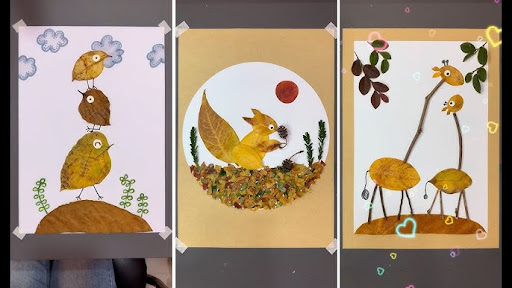
Activity 3: Product Upcycling
Each student will personally create one recycled product from familiar materials such as:
-
Used paper, dried leaves, plastic bottles, or materials available within the Zoo grounds.
From seemingly worthless "waste," students will create unique products with their own personal touch.
Activity 4: Environmental Protection Communication (Suitable for Middle + High School)
Not just learning – students also become “Environmental Ambassadors”!
-
Participate in discussions and develop core messages.
-
Design posters, slogans, or communication ideas.
-
Present perspectives and solutions for environmental protection.
Through these activities, students practice teamwork, critical thinking, and confident presentation skills.
Significance of the topic:
-
Awaken a love for nature.
-
Raise awareness of environmental protection.
-
Foster creativity.
-
Strengthen collaboration skills.
-
Form a sustainable green living mindset.
No longer dry theoretical lessons, not just "protect the environment" slogans, but real action – real experience – real change. Let the Saigon Zoo & Botanical Gardens be the place where green awareness is sown, and where every student is an environmental ambassador.
Topic 8: INVERTEBRATES
Amidst the countless wonders of nature, sometimes the smallest creatures create the most significant changes. The world of invertebrates is a magical universe waiting to be discovered.
Target Audience: All grade levels.
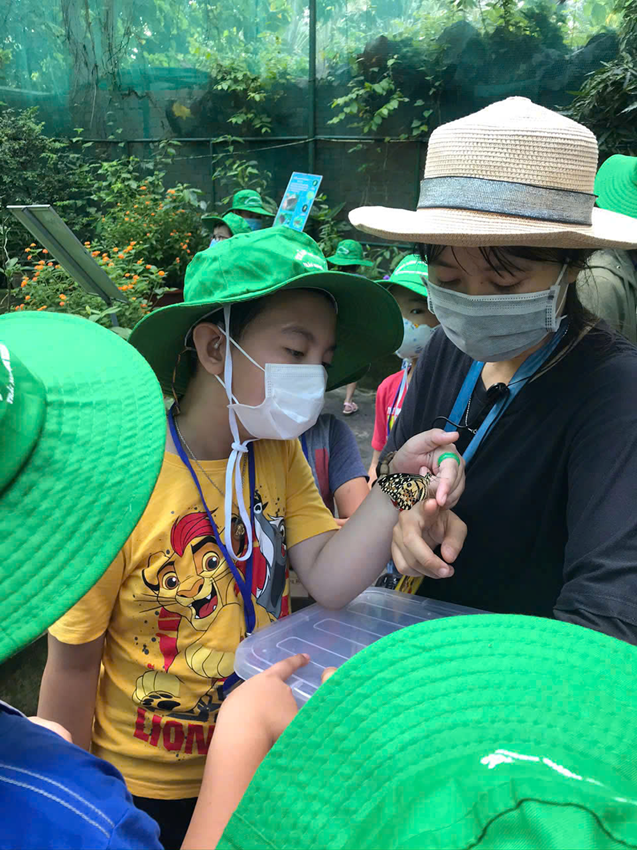
Activity 1: Getting lost in the Butterfly Garden
-
Visit the vibrant and colorful Butterfly Garden.
-
Observe specimens and discover the butterfly's "super transformation" life cycle.
-
Directly care for caterpillars.
-
Special feature: Hand-releasing butterflies into the garden (subject to organizing conditions).
Activity 2: Understanding the roles of invertebrates You will discover:
-
Their roles in maintaining ecological balance.
-
Their influence on human life.
-
How seemingly small things create something grand.
Activity 3: The diversity of invertebrates
Observe invertebrate specimens ranging from terrestrial species to those that only live in freshwater or the sea. These diverse specimens will provide visitors with a more comprehensive view of the invertebrate world.
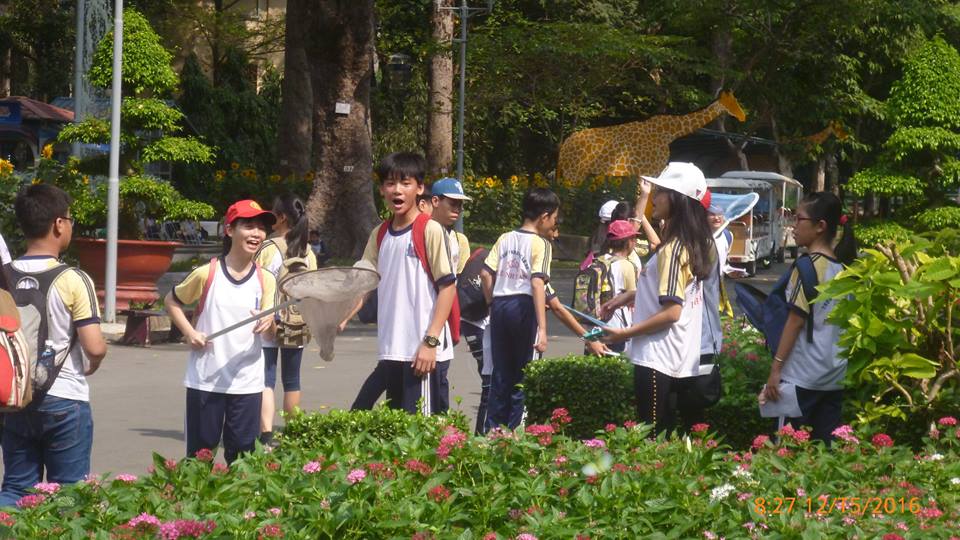
Activity 4: Experiencing the hunt for invertebrates in the environment
You will directly search for invertebrates in their natural environment – observing, recording, and exploring like a true scientist.
This topic is not just about learning – it is about experiencing: Touch – See – Feel – and Understand. A journey to discover a tiny yet powerful world is waiting for you!
Topic 9: VERTEBRATES
Target Audience: All grade levels.
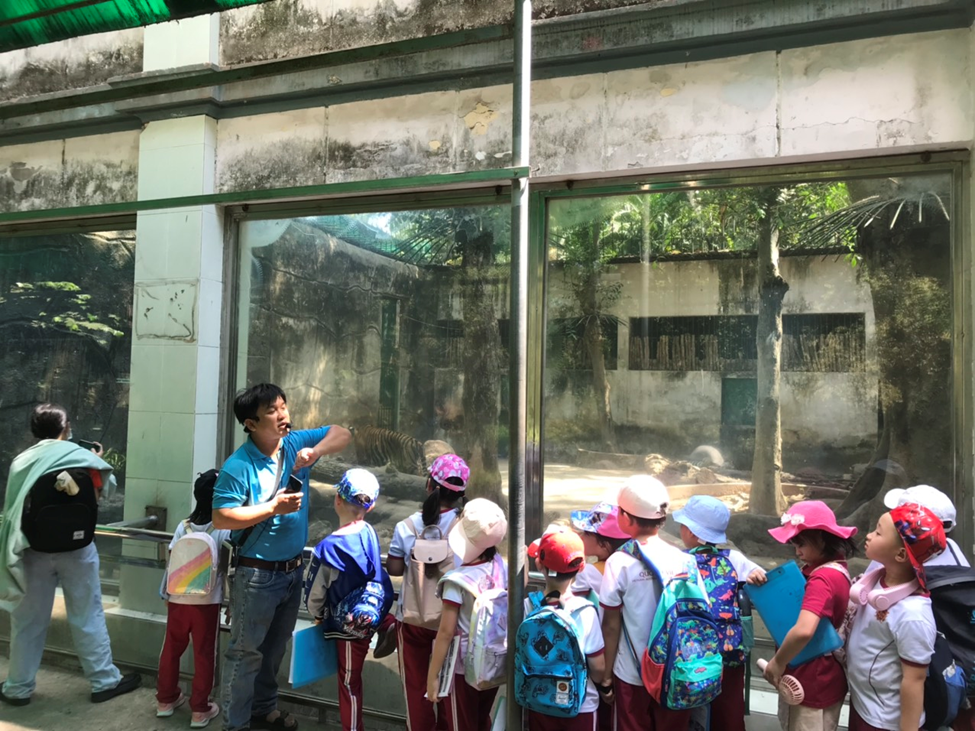
Activity 1: Take a tour combined with visiting, discovering, and learning about vertebrate species: birds, mammals, reptiles, fish, amphibians, etc.
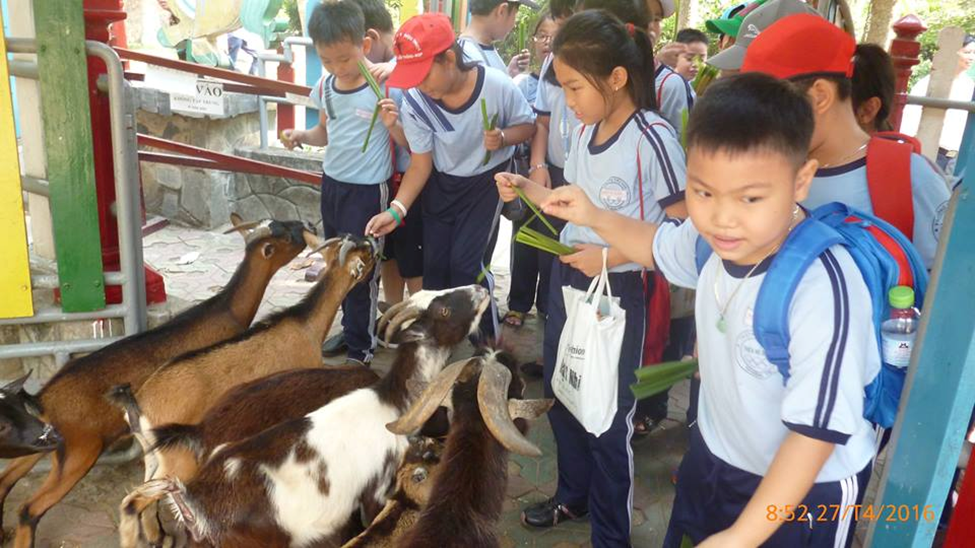
Activity 2: Feeding the animals (for species that visitors can approach, such as goats, sheep, etc.)
Activity 3: Observing staff feeding the animals (for species that may be unsafe for visitors).
Topic 10: BUTTERFLIES – BEAUTIFUL INSECTS
Target Audience: Grades 5 to 9
Activity 1: Observing and learning about the butterfly life cycle
Study the stages: Egg – Caterpillar – Chrysalis – Butterfly, and record morphological changes.
Activity 2: Egg collection and observation
Groups use magnifying glasses to observe butterfly eggs on host plants. Identify the characteristics of newly laid eggs versus those about to hatch. Some groups will collect fallen egg samples to incubate in rearing trays.
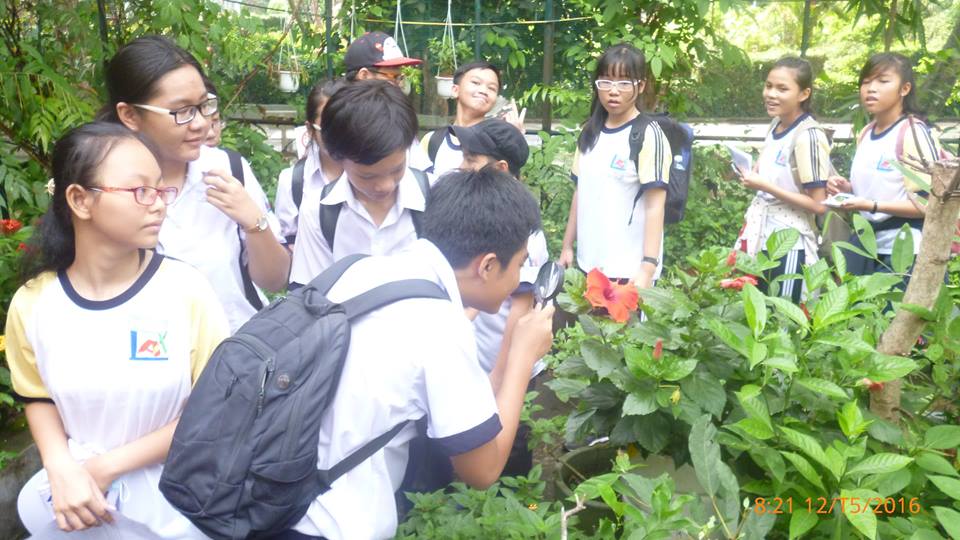
Activity 3: Preparing food for caterpillars Identify and select the appropriate leaf types for each species of caterpillar. Cut leaves to size, mist with water, and place them in the trays. Explore the "Host plant – Food – Butterfly species" relationship.
Activity 4: Feeding – Collecting pupae – Observing chrysalises Feed the caterpillars and collect formed pupae. Record the color, size, and hardness of the chrysalises. Learn about the conditions required for a chrysalis to develop into a butterfly.
Activity 5: Catching and releasing butterflies Practice butterfly-catching techniques, then observe wing patterns, colors, and behaviors. Release the butterflies back into the garden.