


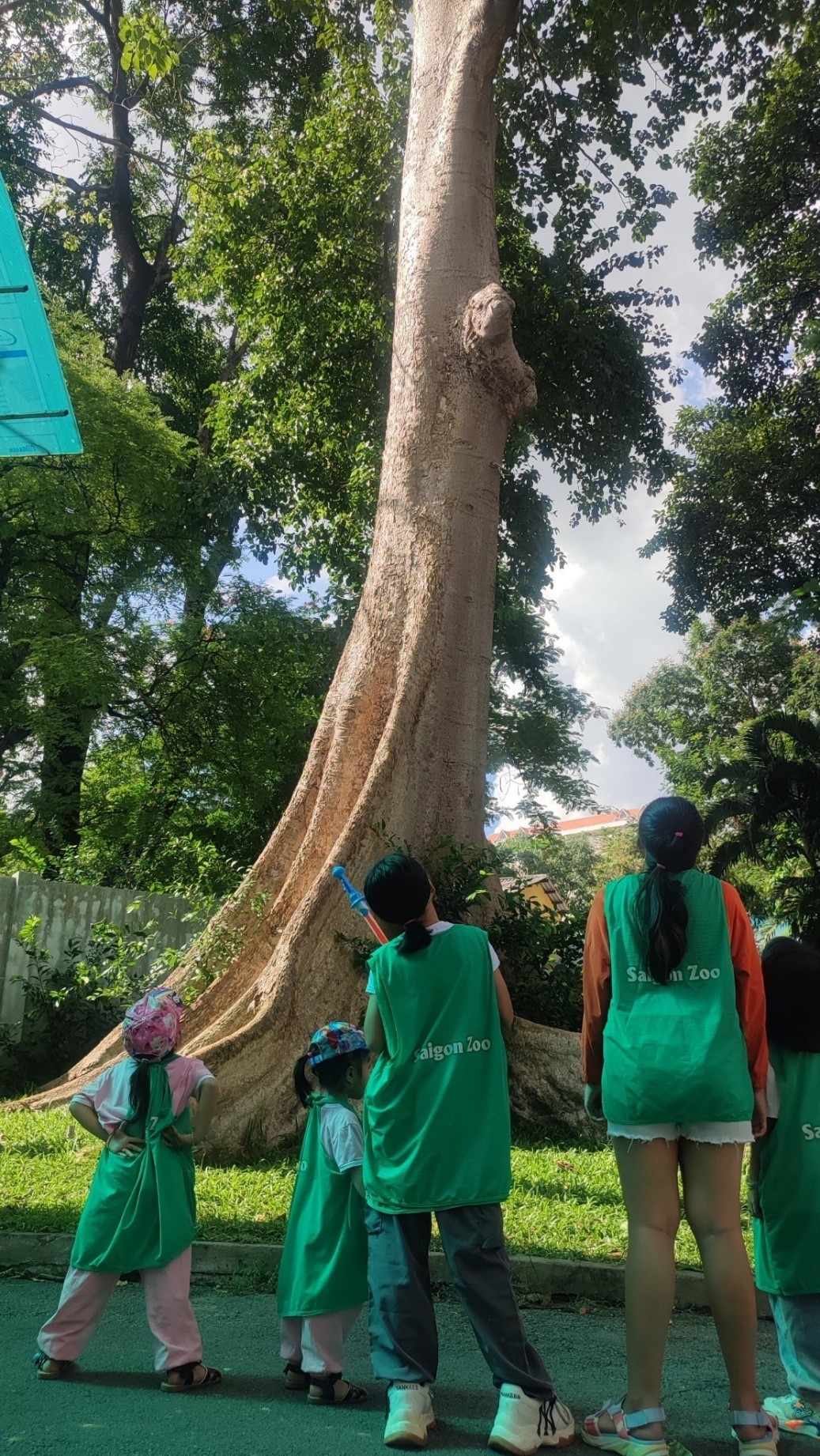
A Green Space of Over 160 Years in the Heart of the City
Situated in the center of vibrant urban, Saigon Zoo and Botanical Gardens has long been regarded as the “green lung” of Ho Chi Minh City. Beyond being a familiar recreational destination, it is also one of the oldest zoological and botanical gardens in Southeast Asia, preserving a diverse ecosystem with many rare plant species.
Among them, eight recognized heritage trees stand out as true “living witnesses,” marking a journey of over 160 years of establishment and growth, while reflecting the meeting of native ecosystems and plant species introduced from across the world.
The African Mahogany Grove – A Legacy from the 19th Century
One of the most remarkable highlights is a group of six African mahogany trees (Khaya senegalensis). These trees were introduced to Vietnam from Africa in 1864 under the direction of French botanist Jean Baptiste Louis Pierre, the first director of the Zoo.
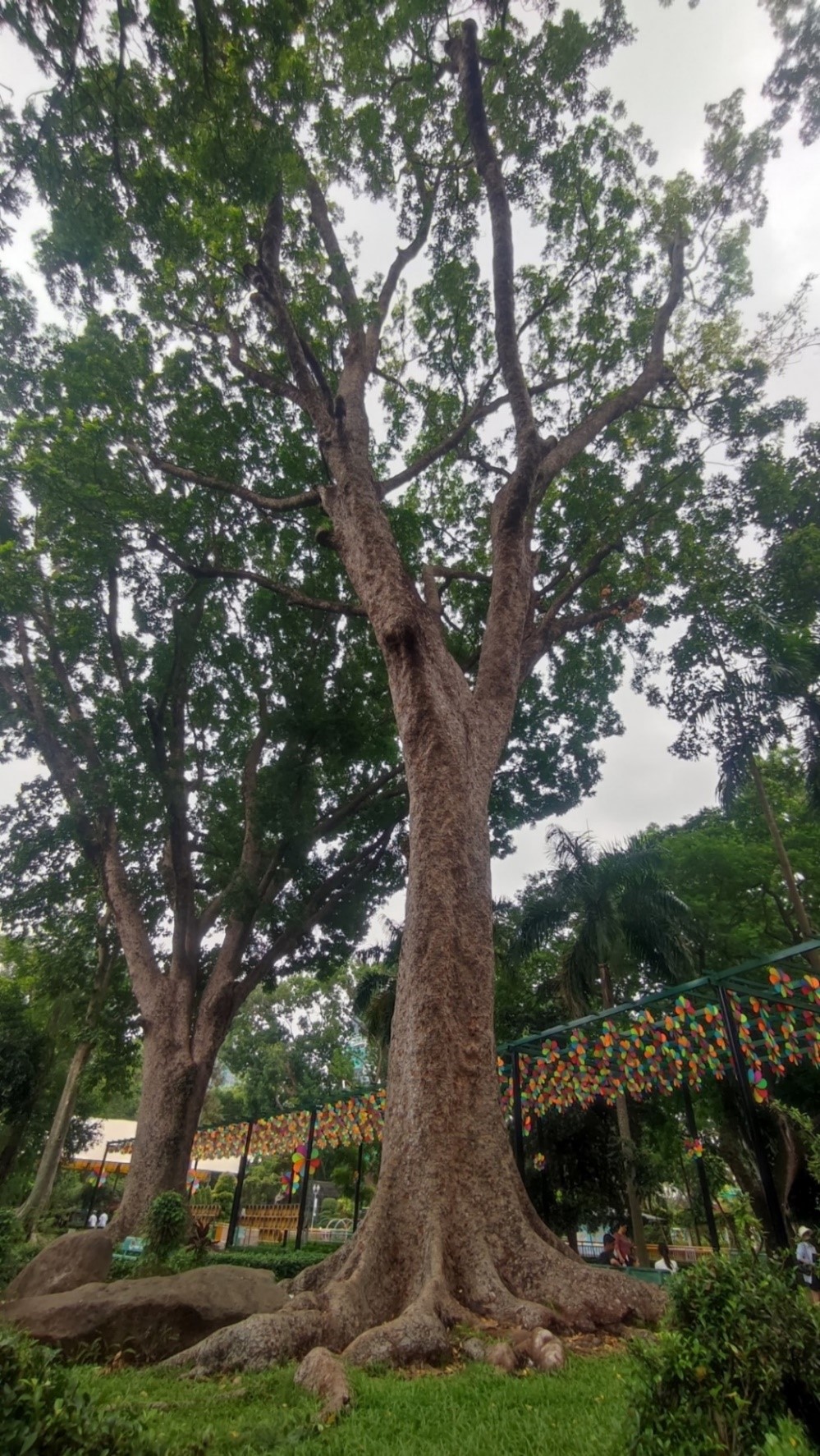
Among them, the tree numbered 1700 is particularly impressive, reaching a height of 62 meters, approximately 160 years old. It is currently considered the largest trunk diameter African Mahogany in Vietnam. With its massive trunk, expansive canopy, and towering stature, this tree has become an iconic symbol of the Gardens' green landscape.
Beyond their aesthetic appeal, mahogany trees are known for their rapid growth, strong adaptability to tropical climates, and resistance to pests and diseases.
Burma padauk – A Rare Living Treasure
Alongside with the mahogany grove, the Pterocarpus macrocarpus tree (No. 1302) is one of the most valuable species. Native to the of the Southeast Vietnam forest, this tree maybe predates the establishment of the zoo, which stands about 34 meters tall with a trunk circumference of 4 meters and an age exceeding 200 years. It represents a remnant of the original natural ecosystem. Despite the passage of time, the tree remains vigorous, with a lush canopy and minimal signs of disease.
This species is highly valued for its durable and beautifully grained timber. However, it has become severely depleted in the wild and is currently listed as Endangered (EN) in the Vietnam Red Book due to overexploitation.
Its presence at Saigon Zoo and Botanical Gardens therefore holds special significance, serving as a valuable “living gene source” of the Southeast Vietnamese forest ecosystem.
Tetrameles nudiflora – A Unique Expression of Nature
Another highlight among the heritage trees is the Tetrameles nudiflora tree (No. 1188), located near the large aviary, which stands approximately 35 meters tall, with a trunk circumference of nearly 10 meters and prominent buttress roots. It creates a striking and distinctive appearance that attracts visitors.
Beyond its unique form, this species holds significant scientific value due to its rare genetic characteristics. Its dioecious nature (separate male and female trees) makes propagation more challenging, further emphasizing the importance of conservation efforts.
The Value of Heritage Trees
The eight heritage trees at Saigon Zoo and Botanical Gardens embody multiple layers of value:
- Historical value: Marking the development of the zoo and the urban evolution of Saigon – Ho Chi Minh City.
- Scientific value: Serving as a “living gene bank” for ecological and environmental research.
- Cultural and landscape value: Shaping a distinctive green space and contributing to the city’s identity.
Environmental Education – A Lasting Impact
Beyond conservation, these heritage trees play an important role in community education. Through programs organized by the Zoo Education Center, students gain direct access to and understanding of unique plant genetic resources species.
Activities such as guided tours, assignments, and extracurricular programs help raising awareness about environmental protection and foster a green mindset from a young age.
Towards a Sustainable Future
The recognition of Vietnam Heritage Trees at Saigon Zoo and Botanical Gardens not only signifies honor, but also a reminder of the responsibility to protect precious natural values. With the current rapid urbanization, preserving these “green lungs” has become more urgent than ever.
The heritage trees not only improve the living environment but also open up opportunities for ecotourism, education, and scientific research and moving forward to a sustainable development model that harmonizes human life with nature.
Furthermore, the heritage trees are not merely ancient plants, but vivid symbols of history, culture, and science. After more than hundred years, they continue to stand resilient in the heart of the city, quietly telling stories of the past while inspiring future generations.
Protecting these “living witnesses” is not just the responsibility of a single organization, but a shared mission of the entire community for a greener, and more sustainable future.