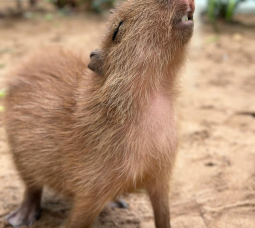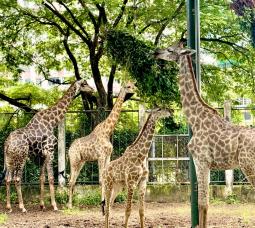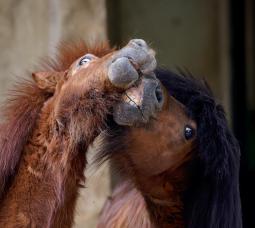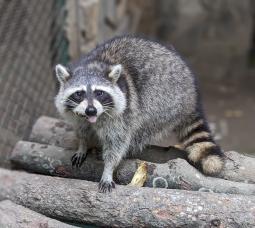



Saigon Zoo and Botanical Gardens established on March 23, 1864, is the eighth oldest zoo in the world and one of the oldest cultural and historical landmarks of Saigon – Ho Chi Minh City. Its history is not merely the story of a park or a business, but a long journey of dedication to preserving the values of a historic cultural institution, protecting the environment, and educating the community.
From Untouched Land to the First Botanical Garden (1864 – 1975)
Originally, the area that is now Saigon Zoo and Botanical Gardens was a wild land of about 12 hectares located northeast of the L’Avalanche River (now Thi Nghe Canal). It was once used by the French as a farm for breeding Arabian horses or cultivating Burmese rice.
On March 23, 1864, Admiral De La Grandière issued a decree assigning this land to veterinarian Louis Adolphe Germain to establish and plan a plant nursery, along with building facilities for raising animals.
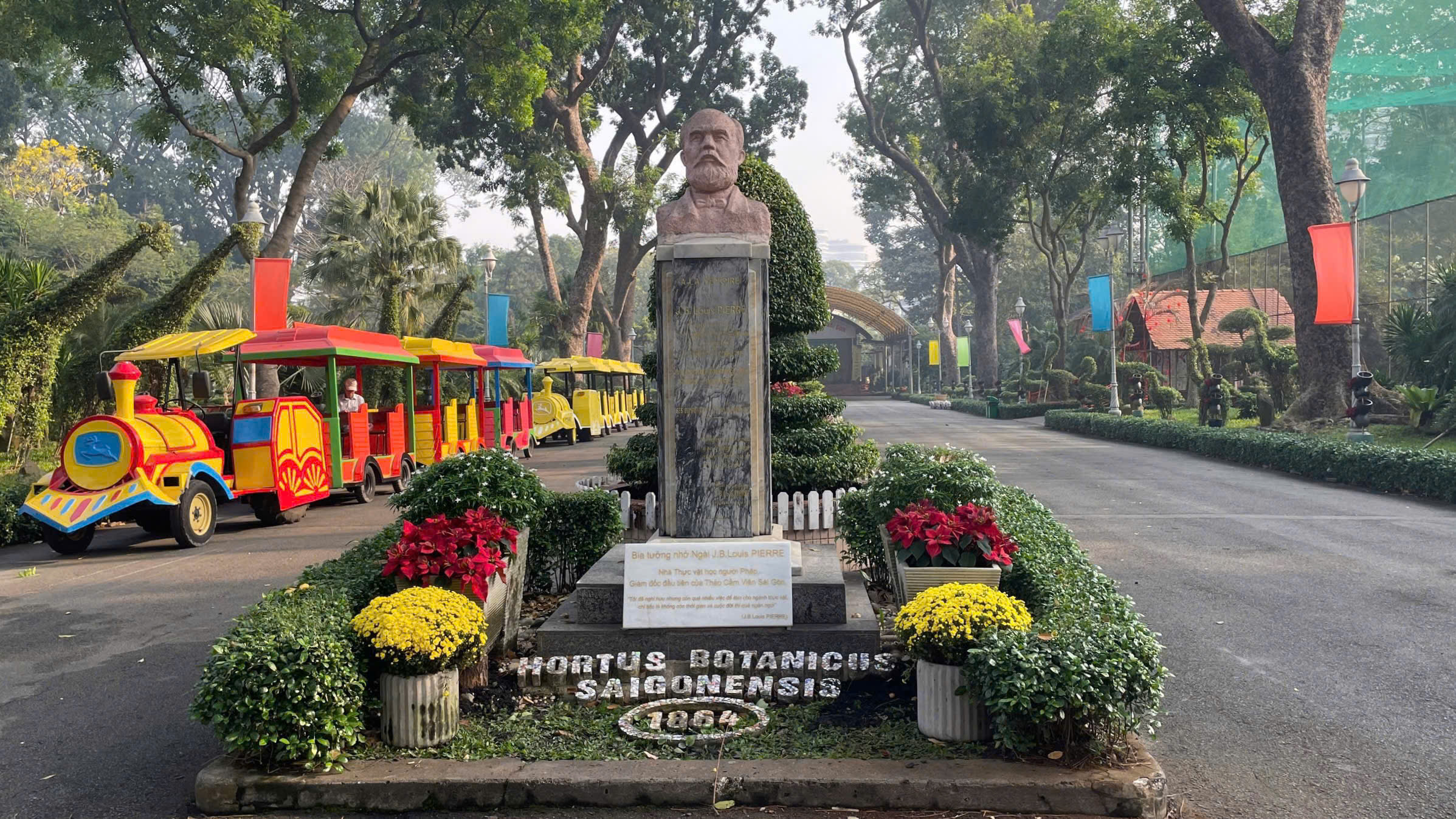
By 1865, the botanical garden was basically completed and placed under the management of French botanist J.B. Louis Pierre. He successfully collected and cultivated many native forest species such as Sao (Star wood), Dầu (Dipterocarp), Giáng hương (Burma Padauk), Lim (Ironwood), and Gõ (Afzelia)... as well as imported species from Africa (Xà cừ - African Mahogany), the Americas (Nhạc ngựa - West Indian Mahogany), Java (Giá tỵ - Teak), and various Indochinese fruit trees like Vú sữa (Star apple), Xoài (Mango), Măng cụt (Mangosteen), Sapochê (Sapodilla), and Mãng cầu xiêm (Soursop).
At the same time, animal enclosures were built, and local people were encouraged to contribute animals. From then on, the name “Sở thú” gradually became familiar.
By 1878, the collection had reached 509 individuals, including 120 mammals, 344 birds, and 45 reptiles, representing 84 genera and 118 species.
In 1956, the botanical garden underwent a major renovation and completely re-planning. Since then, the official name “Saigon Zoo and Botanical Gardens” was adopted.
Renewal and International Integration (1975 – Now)
After 1975, the facility was taken over almost intact. After 1984, many facilities were upgraded and improved to meet the increasing demand for visitors.
Since 1990, animal enclosures have been expanded and redesigned to better suit species-specific behaviors. The total enclosure area increased from 8,500 m² (1975) to 25,000 m² (2000).
Saigon Zoo and Botanical Gardens has gradually integrated into the international community:
- Member of the Southeast Asian Zoos Association (SEAZA)
- Founding member of the Vietnam Zoos Association (VZA)
In 2015, the organization was restructured into a single-member limited liability company under the management of the Ho Chi Minh City People’s Committee.
A Place That Preserves Memories
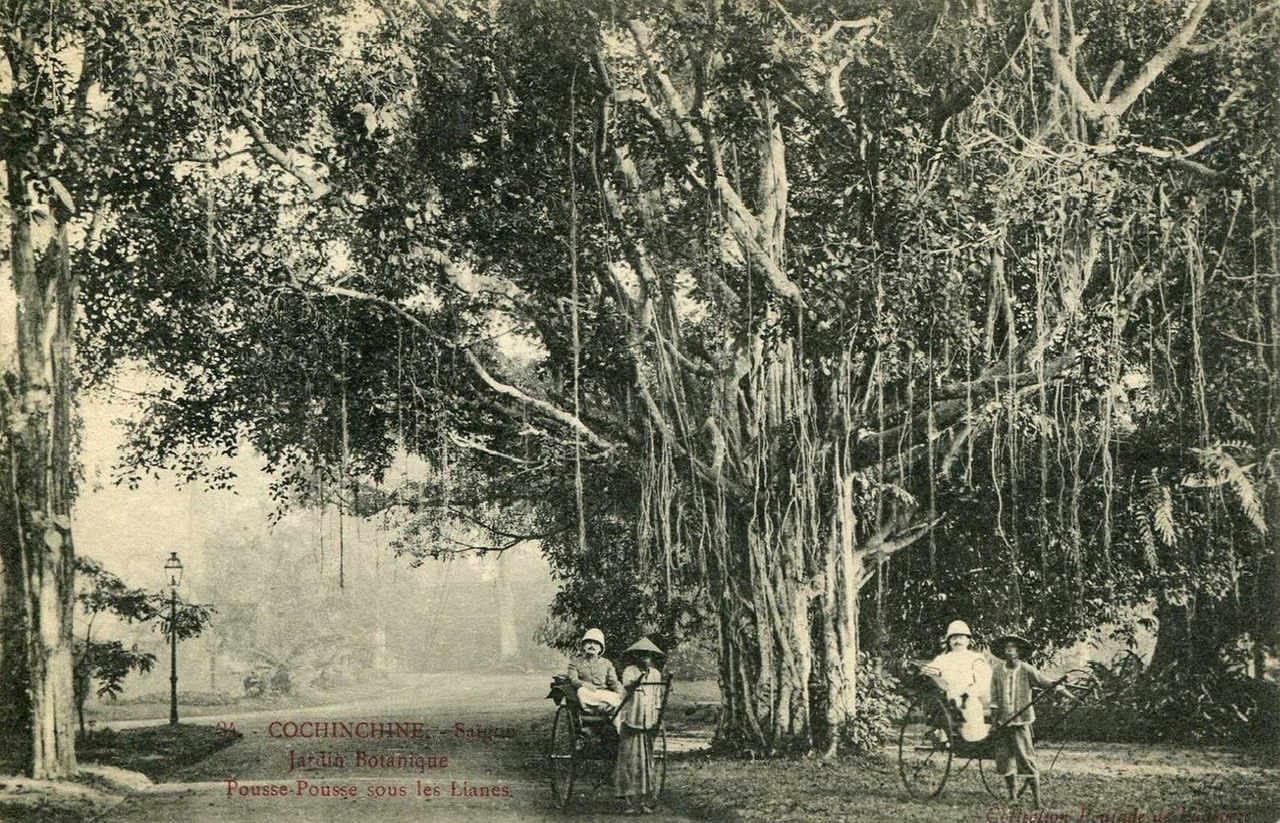
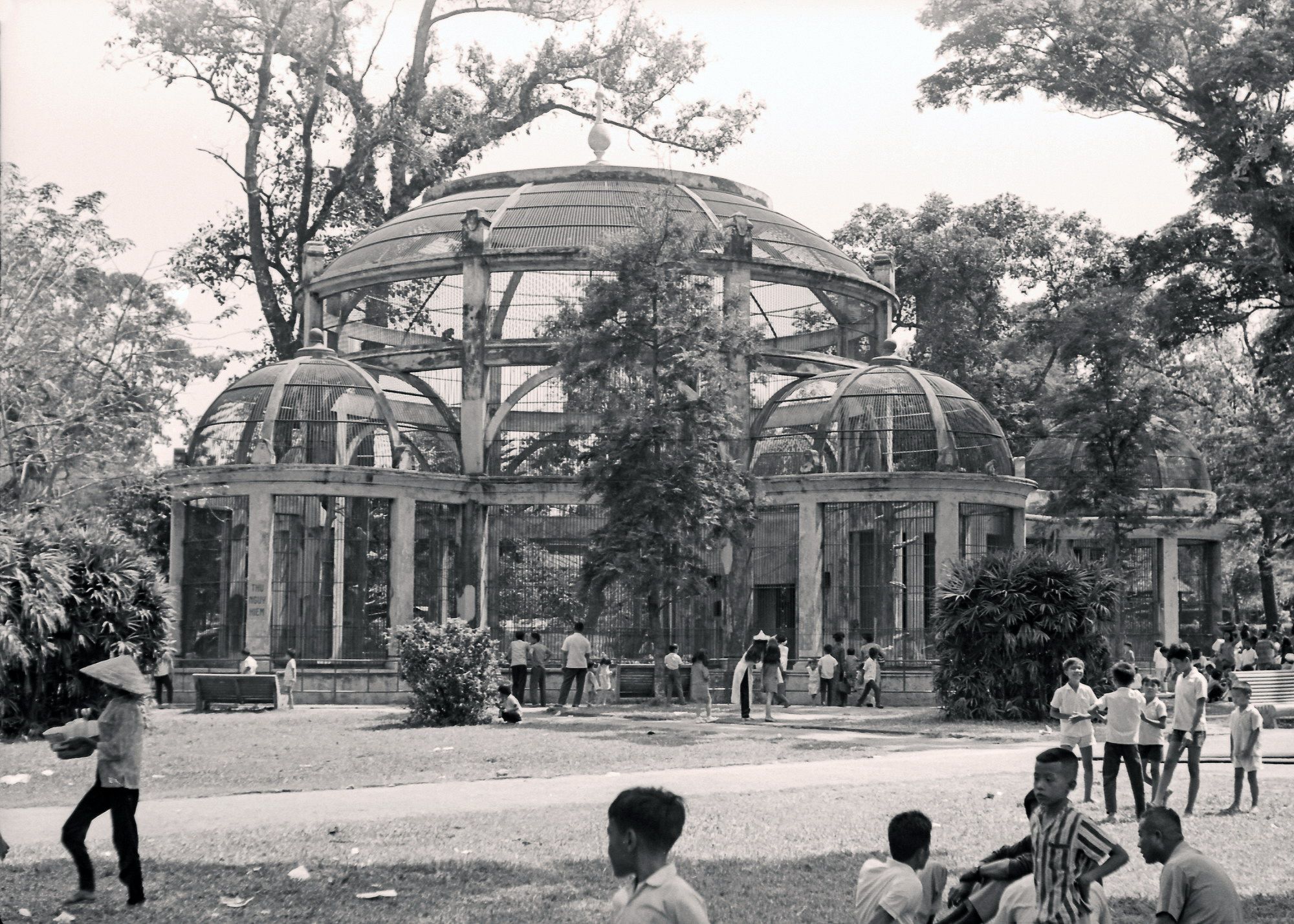
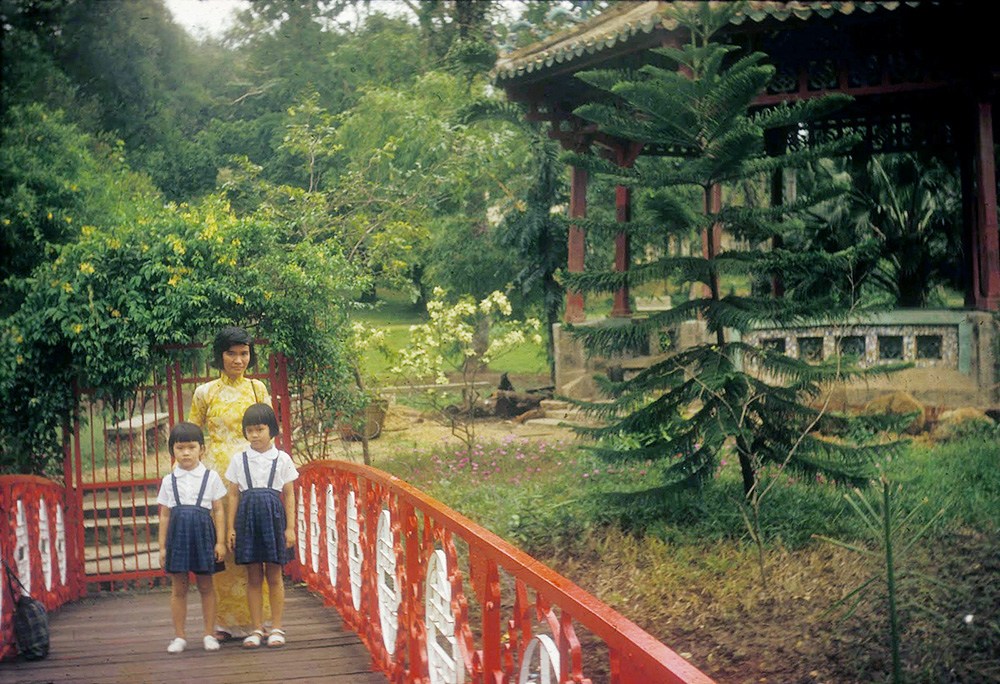
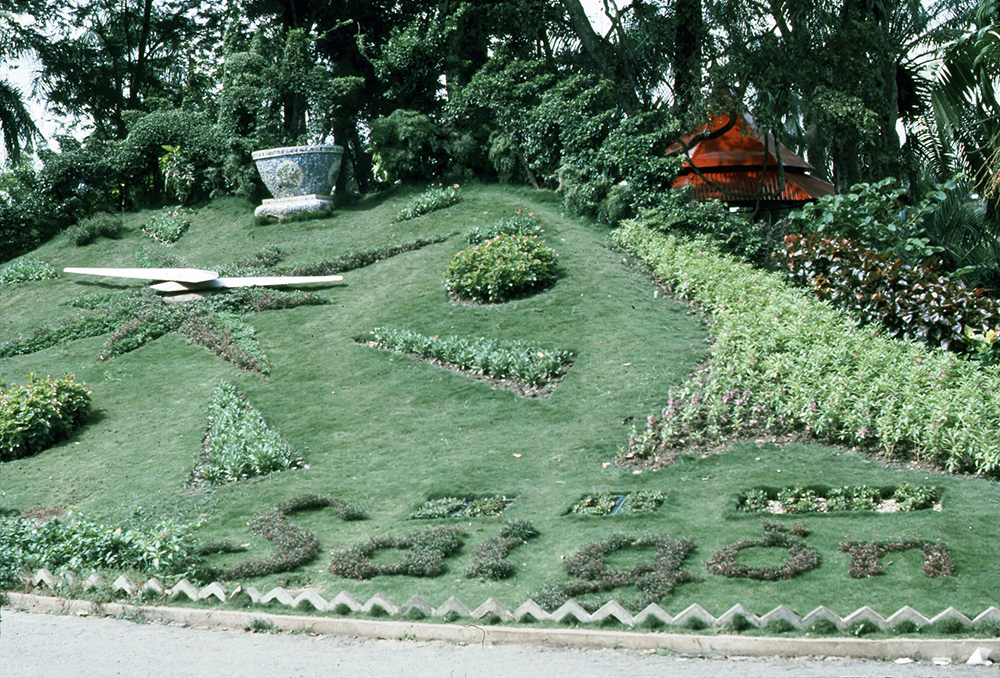
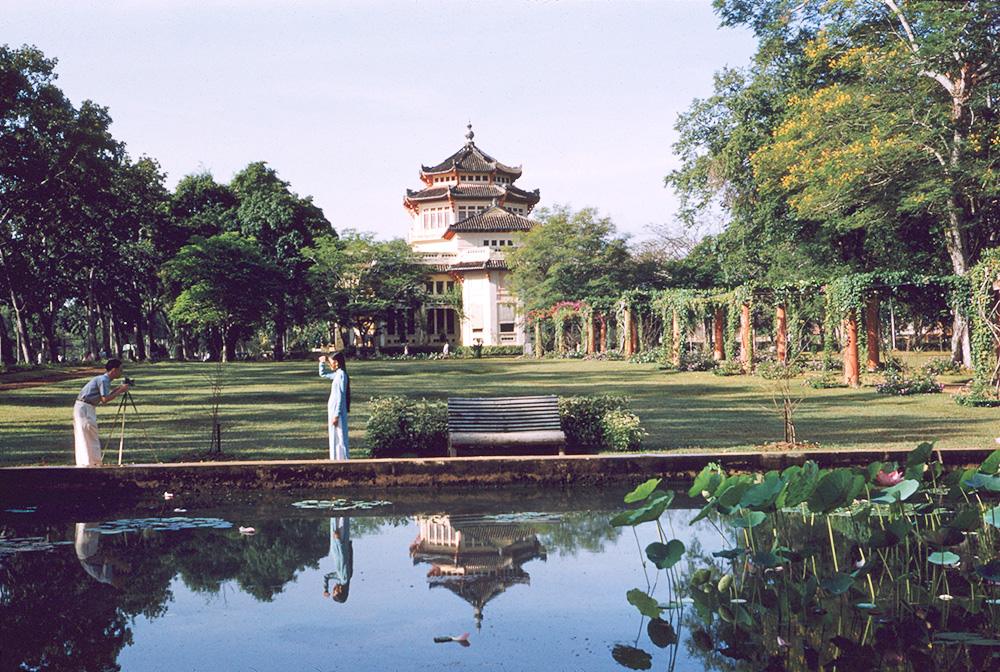
Saigon Zoo and Botanical Gardens is not only a destination for recreation, learning, and ecological exploration, but also a place that preserves both personal and collective cultural memories, deeply connected to the historical flow of the city. It holds layers of memory tied to individuals as well as the broader history of Saigon – Ho Chi Minh City, becoming an integral part of the city’s development.
The zoo, its historic architecture, and its green spaces shaded by ancient trees form a valuable heritage that connects people to the cultural memory of Saigon Zoo and Botanical Gardens, as well as the broader historical and cultural identity of Saigon – Ho Chi Minh City.
A Center for Biodiversity Conservation
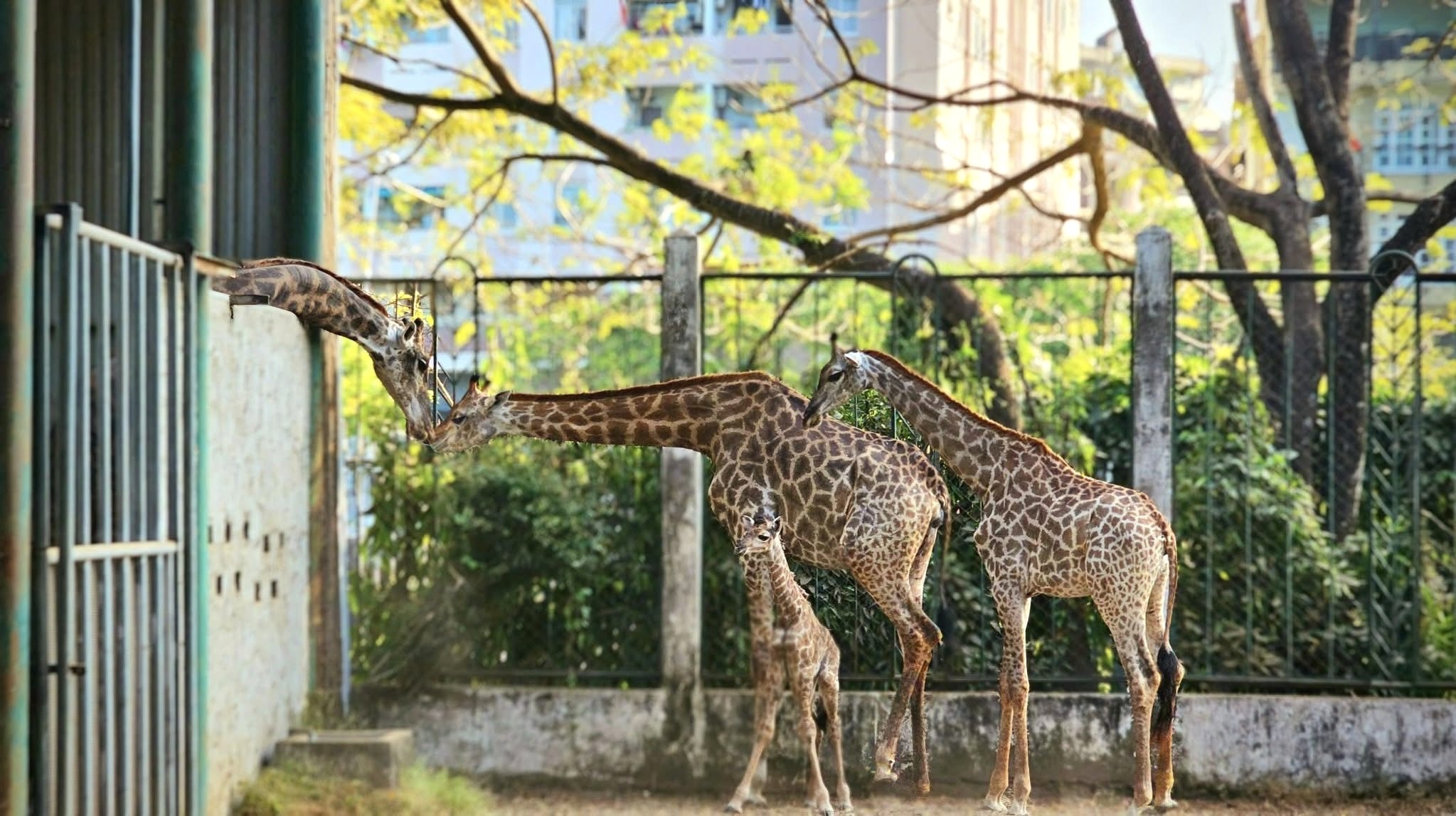
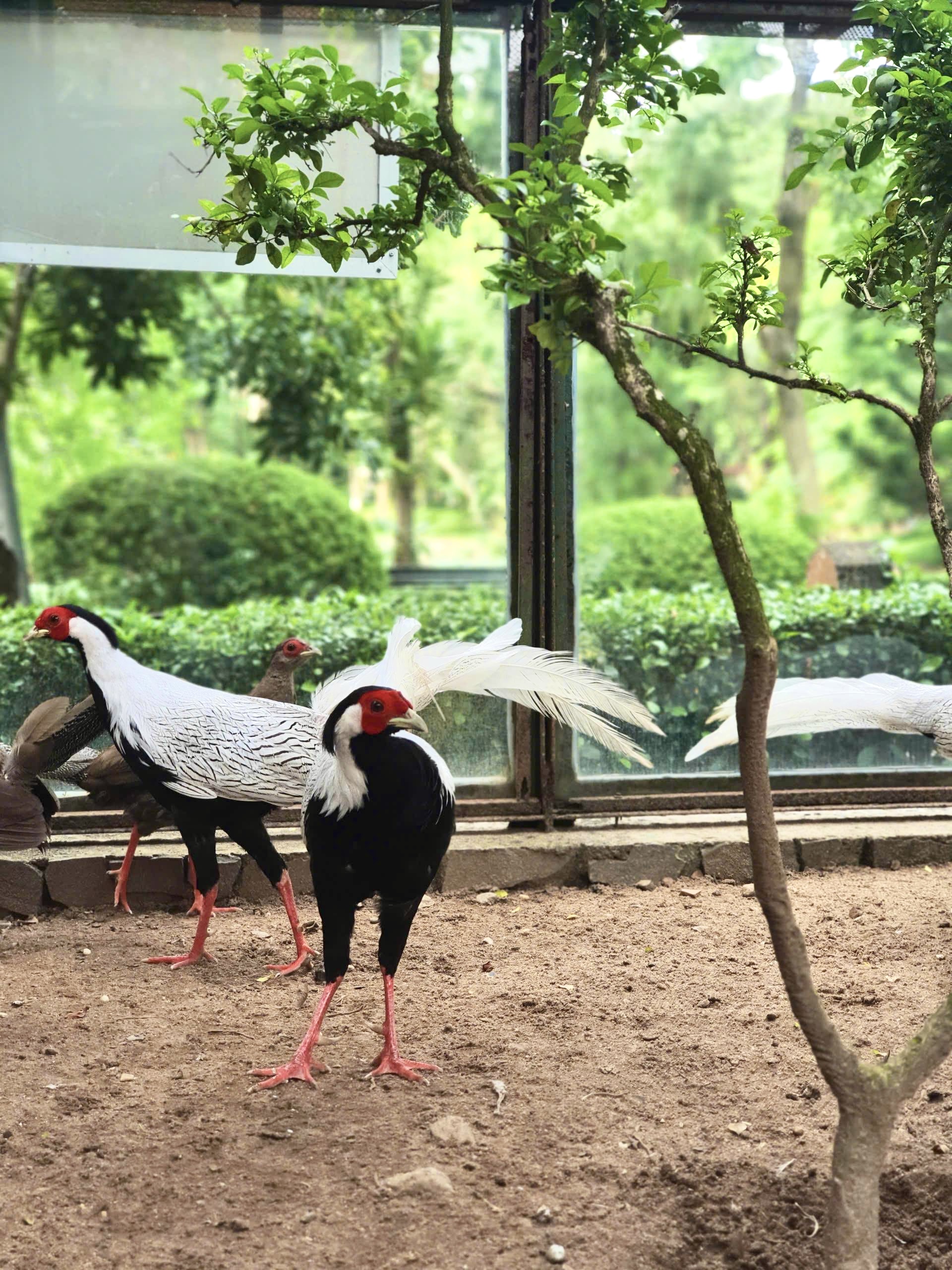
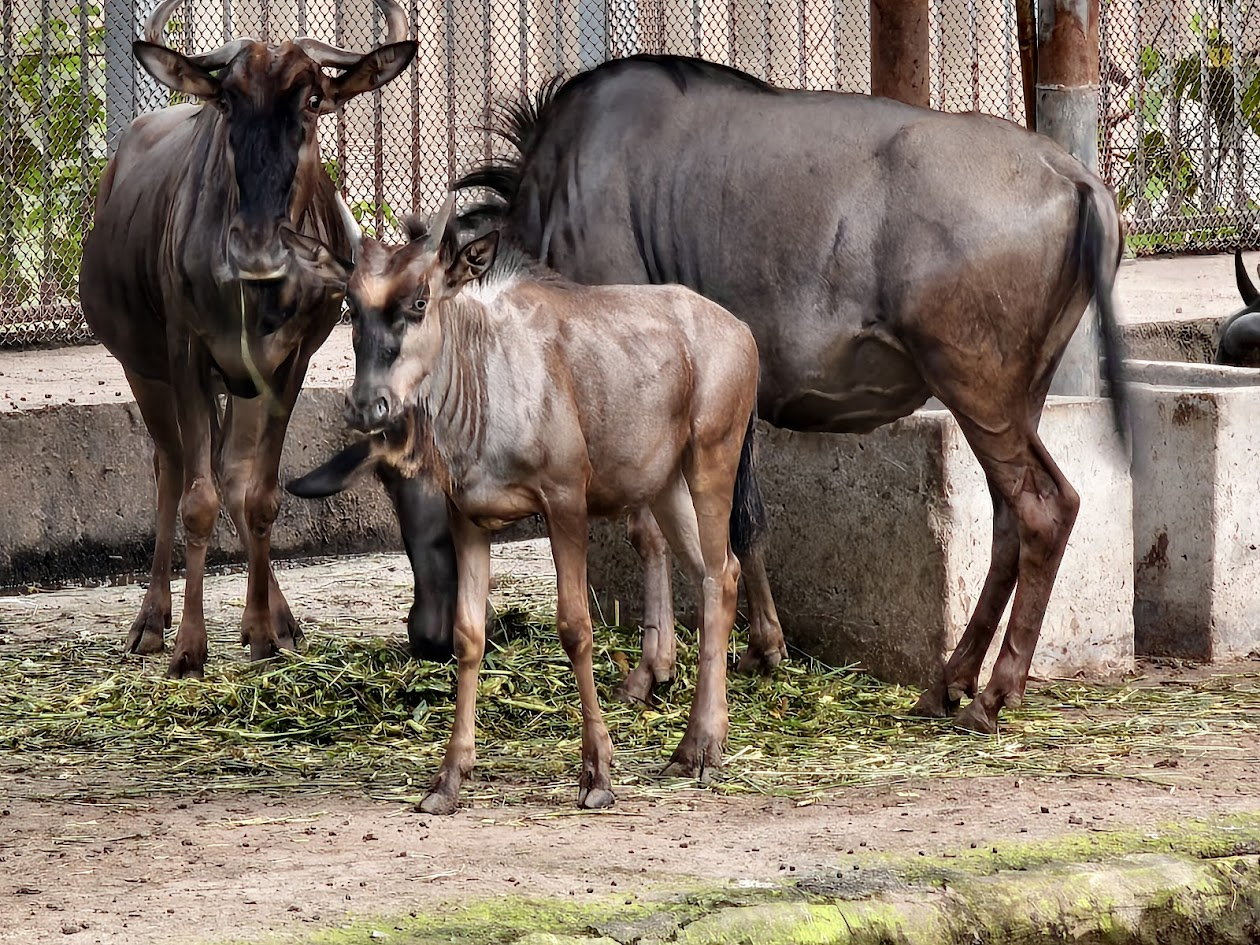
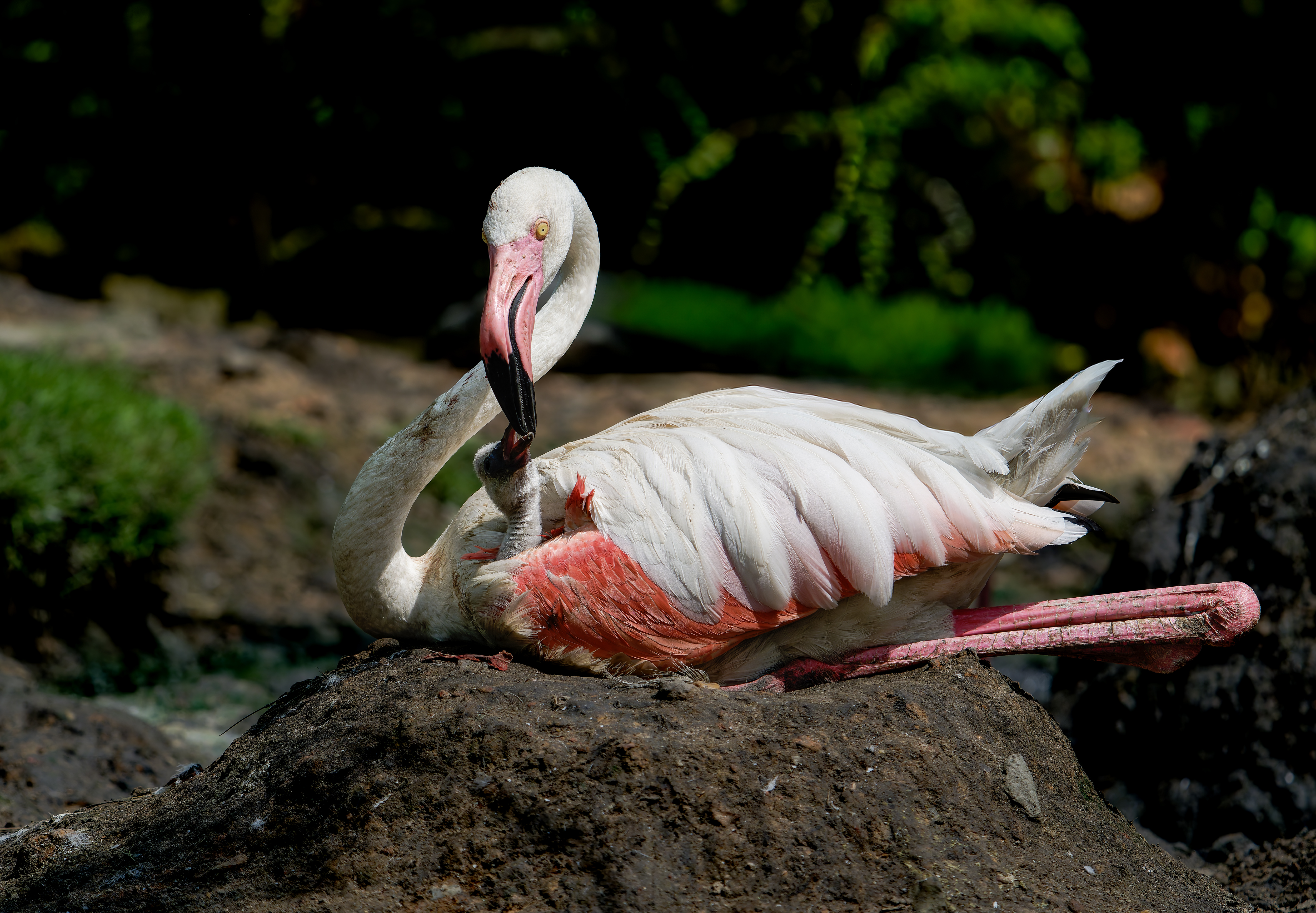
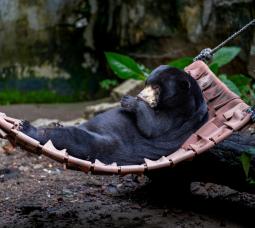
Currently, Saigon Zoo and Botanical Gardens cares for and displays over 2,000 trees and around 321 plant species, including 29 species listed in the Vietnam Red Book and the IUCN Red List. It is also home to 1,896 individual animals from 127 species, including many rare and endangered species such as: Crested argus, Asiatic golden cat, yellow-cheeked gibbon, Asian elephant, and Axis porcinus.
Several species have successfully bred in captivity in Vietnam for the first time, including Crested argus, Asiatic golden cat, red-shanked douc langur, and grey-shanked douc langur.
Rescue and Reintroduction to the Wild
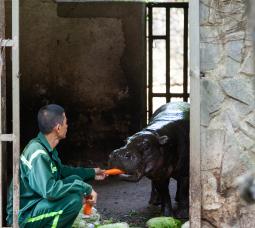
Each year, Saigon Zoo and Botanical Gardens rescues hundreds of animals from various provinces such as Hue, Da Nang, Dong Thap, and Dak Lak.
After rehabilitation, many species have been successfully reintroduced into the wild, including freshwater crocodiles, small-clawed otters, and Sunda pangolins.
In the near future, more species that breed successfully in captivity, such as Crested argus, civets, and Axis porcinus, … are expected to be released back into their natural habitats.
Education and Sustainable Development
Over the past 25 years, conservation education has been continuously promoted through programs such as:
- Outdoor classroom sessions
- Agricultural science experiences
- Extracurricular activities for students
Saigon Zoo and Botanical Gardens is not just a place to visit, but also a “green classroom” for learning about biodiversity.
Key Milestones
- 1864 – 1865: Establishment of nursery and animal facilities
- 1956: Officially named Saigon Zoo and Botanical Gardens
- 1975 – 1984: Under the management of the City Parks Company
- 1984: Under the management of Department of Public Works
- 1991: Under the management of Department of Transport
- 2010: Transition to a single-member limited liability company model
- 2015: Awarded the Third-Class Labor Medal
- 2024: Celebrating 160 years of establishment
Looking Towards to the Future
With more than 160 years of history, Saigon Zoo and Botanical Gardens continues to affirm its role as a leading center for biodiversity conservation, scientific research, and community education in Vietnam.
This journey of conservation is not only about past achievements, but also a long-term commitment to the future—preserving valuable biological resources for future generations of Ho Chi Minh City and the country.
Saigon Zoo and Botanical Gardens has been, currently, and continually to be a vital link to connect cultural and historical values with nature conservation from the past, through the present, and into the future.