


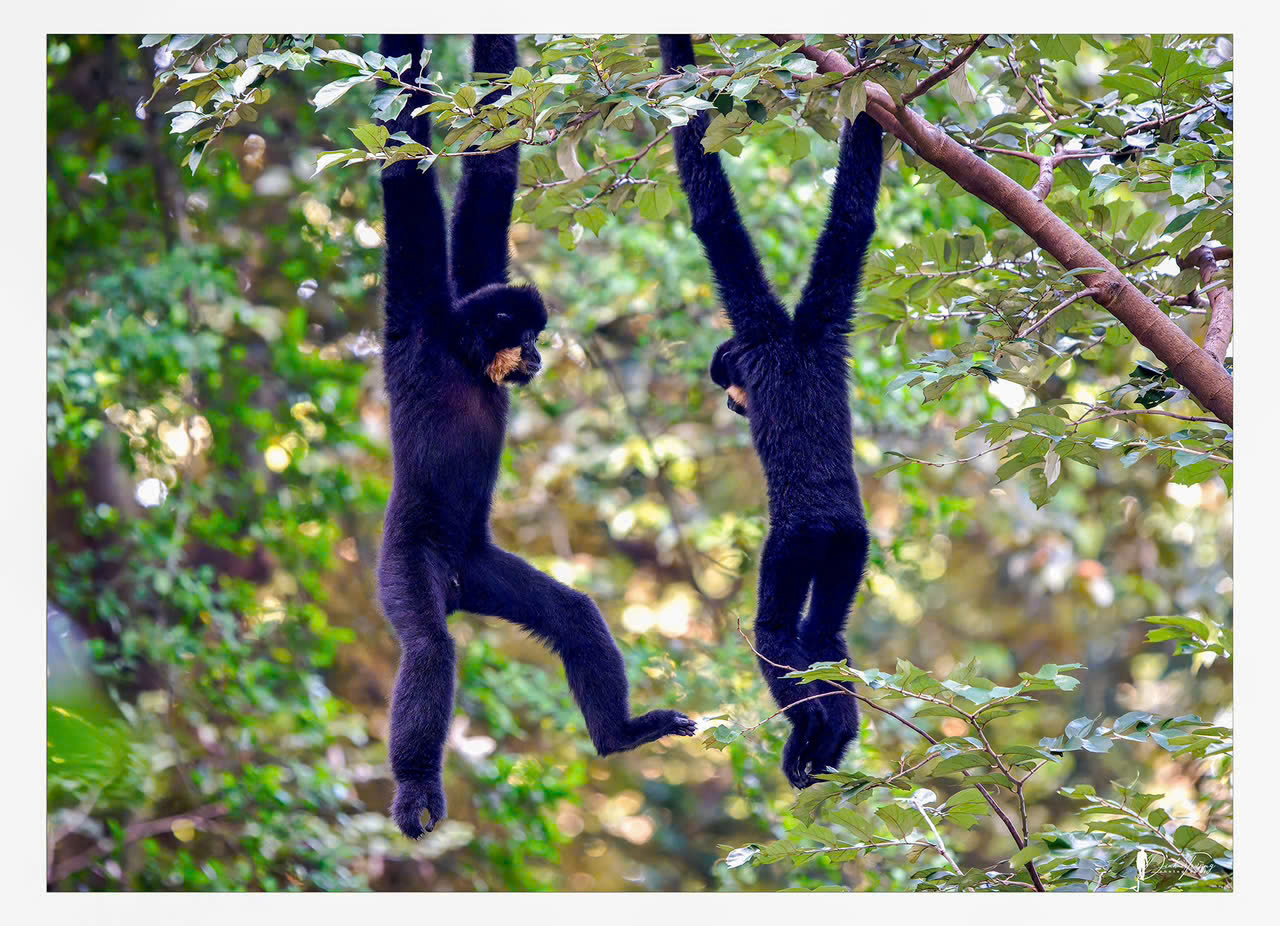
Conserving nature is part of protecting a sustainable future for people
Vietnam is recognized as one of the countries with high biodiversity in the world. From tropical forests and wetlands to mountain ecosystems and coastal habitats, each landscape supports a rich variety of plant and animal life. However, alongside socio-economic development, many wildlife species are facing serious population decline.
Illegal hunting, wildlife trafficking, habitat loss, climate change, and increasing conflict between people and wildlife are among the most serious pressures on biodiversity today. Every animal removed from the wild is not only the loss of an individual, but also the loss of an ecological link within a larger system.
For this reason, wildlife conservation cannot be seen as the responsibility of forest rangers or scientists alone. It requires the cooperation of management agencies, conservation institutions, technical professionals, businesses, and the wider community.
At its core, conservation begins with a few essential principles:
- Not hunting, keeping, trading, or purchasing wildlife illegally
- Not consuming products derived from wild animals
- Respecting natural habitats
- Supporting rescue, rehabilitation, and release programs when possible
Conservation is not a slogan. It is a long-term process built on expertise, persistence, and responsible action.
1. Rescue and rehabilitation: from intake to release
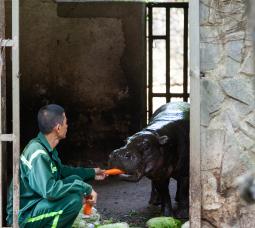
Wildlife rescue is one of the core components of conservation work. Each year, Saigon Zoo & Botanical Gardens receives animals confiscated from illegal trade, as well as individuals voluntarily surrendered by members of the public. These animals are cared for and rehabilitated according to established technical procedures.
Initial intake and assessment
Upon arrival, veterinary staff and technical personnel carry out:
- a general health examination
- an assessment of injuries and physical condition
- quarantine and observation to ensure disease control and safety
This stage is especially important because many rescued animals arrive in weakened condition, under significant stress, or with injuries resulting from prolonged capture and transport.
Care and recovery
Once stabilized, each animal is placed under a care regime suited to the biological needs of its species, including:
- an appropriate nutritional plan
- veterinary treatment
- support for recovering natural behaviors such as feeding, movement, and adaptation to the environment
The objective is not only survival, but recovery sufficient to allow a return to the wild whenever feasible.
Release back to nature
For animals that meet the necessary conditions, release is carried out only after:
- assessing their ability to survive independently
- selecting habitat appropriate to the species
- coordinating with forest protection authorities and relevant agencies
The release of an individual back into the wild is not only a technical outcome. It is also an expression of the ethical responsibility that underpins conservation work. Each successful rescue and release represents a step toward restoring what has been damaged.
At Saigon Zoo & Botanical Gardens, conservation does not stop at rescue. It also includes veterinary care, population management, gene pool maintenance, and conservation breeding under controlled conditions. These programs are important for safeguarding species that are increasingly threatened in the wild, while also supporting research and public education.
2. Representative species under conservation care at Saigon Zoo & Botanical Gardens
Vietnamese Crested Argus (Rheinardia ocellata)
The Vietnamese Crested Argus is an endemic bird species of high conservation value, with a restricted distribution in the Trường Sơn Range. It depends strongly on dense forest habitat, has a low reproductive rate, and is particularly vulnerable to environmental disturbance.
Wild populations have declined sharply as a result of habitat loss, forest conversion, and hunting pressure. These factors make recovery difficult without carefully planned conservation measures.
At Saigon Zoo & Botanical Gardens, the maintenance of this species under managed care requires a strict technical approach, including:
- creating an enclosure environment that reflects natural habitat conditions, including cover, humidity, and ground structure
- providing a diet appropriate to its feeding behavior
- monitoring reproductive behavior and minimizing stress
The successful conservation of this species contributes to the preservation of its genetic resources and supports further research in biology, ecology, and behavior. It also has strong educational value in raising awareness about forest bird conservation and tropical forest ecosystems.
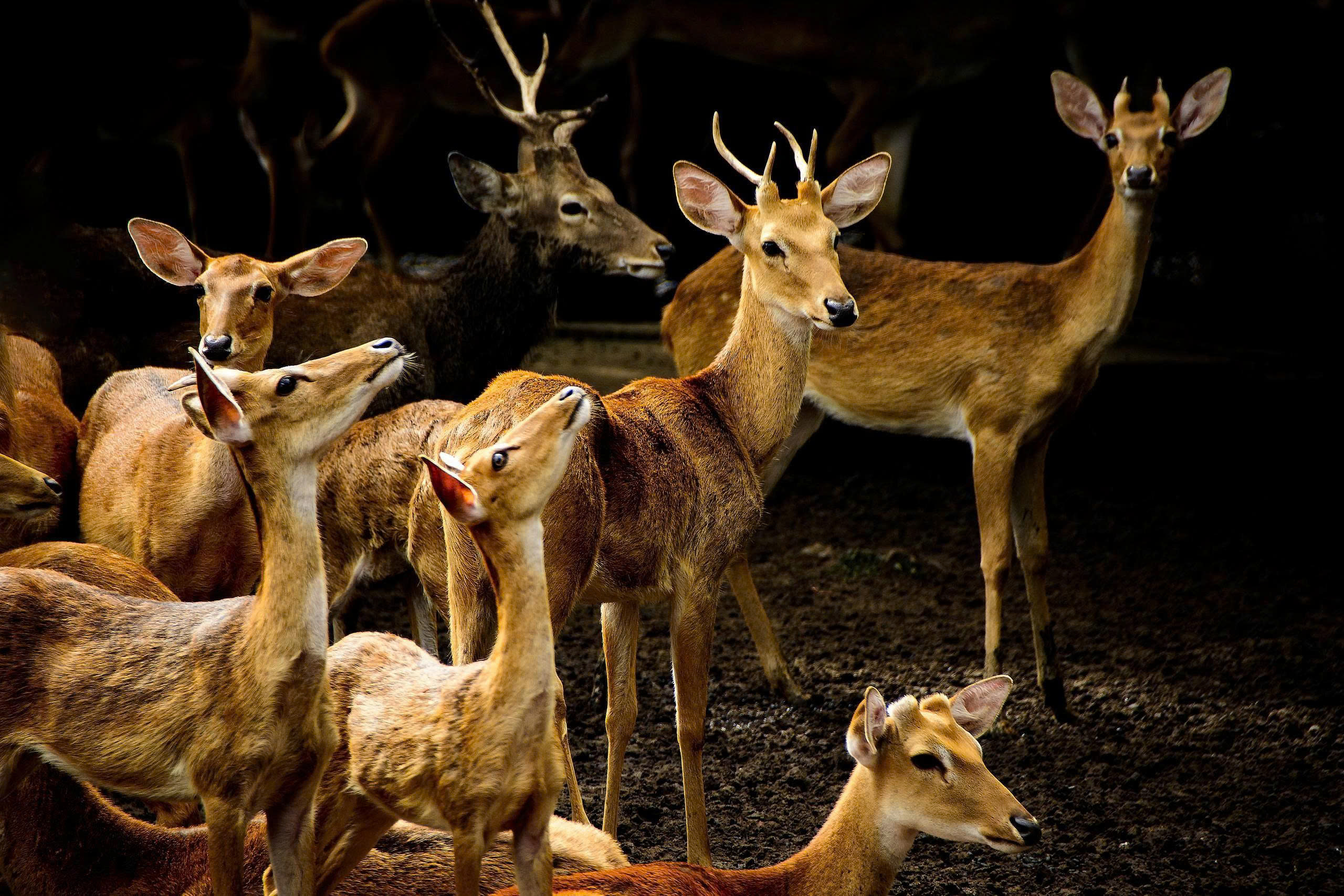
Hog Deer (Cervus porcinus)
The hog deer is a medium-sized ungulate found in tropical forest and grassland habitats. Ecologically, it contributes to vegetation dynamics through grazing and seed dispersal.
In the wild, its decline is linked mainly to:
- illegal hunting
- habitat degradation and fragmentation
At Saigon Zoo & Botanical Gardens, conservation efforts for this species focus on scientific population management, including:
- monitoring health and welfare
- managing herd structure by sex and age
- recording and controlling reproduction
Maintaining a stable population under managed care helps preserve genetic resources and creates a basis for future breeding and release programs. In the time ahead, the zoo intends to continue strengthening cooperation with national parks in support of releasing species such as the Crested Argus, hog deer, and other suitable animals back into natural habitats.
3. Education as the foundation of sustainable conservation
Conservation can only be sustainable when it is accompanied by changes in awareness and behavior within the community. In the context of biodiversity decline, environmental education plays a key role in turning understanding into practical action.
Children and young people today will become the stewards of nature in the future. Through guided visits, experiential learning activities, extracurricular programs, and environmental communication initiatives, Saigon Zoo & Botanical Gardens seeks to communicate conservation messages in direct, accessible, and meaningful ways.
The value of conservation education can be seen clearly when it leads to change: when a child understands why wild birds should not be kept in cages, when a family chooses not to use products derived from wildlife, or when members of the public speak up against illegal trade. These changes in behavior reduce pressure on species in the wild.
In this context, a zoo is not merely a place where animals are displayed. It is also a site for environmental education, scientific research, and the preservation of genetic resources. Every interpretive sign, guided program, and experiential activity can contribute to a stronger sense of responsibility toward nature.
Education, therefore, is not simply a supporting function. It is one of the essential foundations for long-term biodiversity conservation.
4. Working together for Vietnam’s natural heritage
Wildlife cannot protect itself from the pressures created by human activity. That is why conservation requires action from all of us, beginning with practical choices in everyday life.
Each person can contribute by:
- refusing to consume wild meat
- refusing to buy souvenirs made from wildlife products
- reporting violations to the authorities
- participating in tree-planting and environmental protection activities
- sharing conservation messages responsibly through community and social media channels
Conservation is not distant or abstract. It is reflected in the choices people make every day.
Protecting a forest means protecting a home for countless species. Saving one individual can preserve hope for an entire population. Changing one perception can help shape a more sustainable future.
“Joining hands to conserve wildlife” is not only a communication theme. It is a commitment to nature, to biodiversity, and to future generations. Through rescue, care, conservation breeding, and community education, Saigon Zoo & Botanical Gardens continues, step by step, to contribute to the protection of Vietnam’s natural heritage.
Nature does not depend on people in order to exist. People, however, depend on nature in order to live.